
Latest Properties
Discover Our Newest Listings
Fresh properties just added to our portfolio, ready for your viewing.
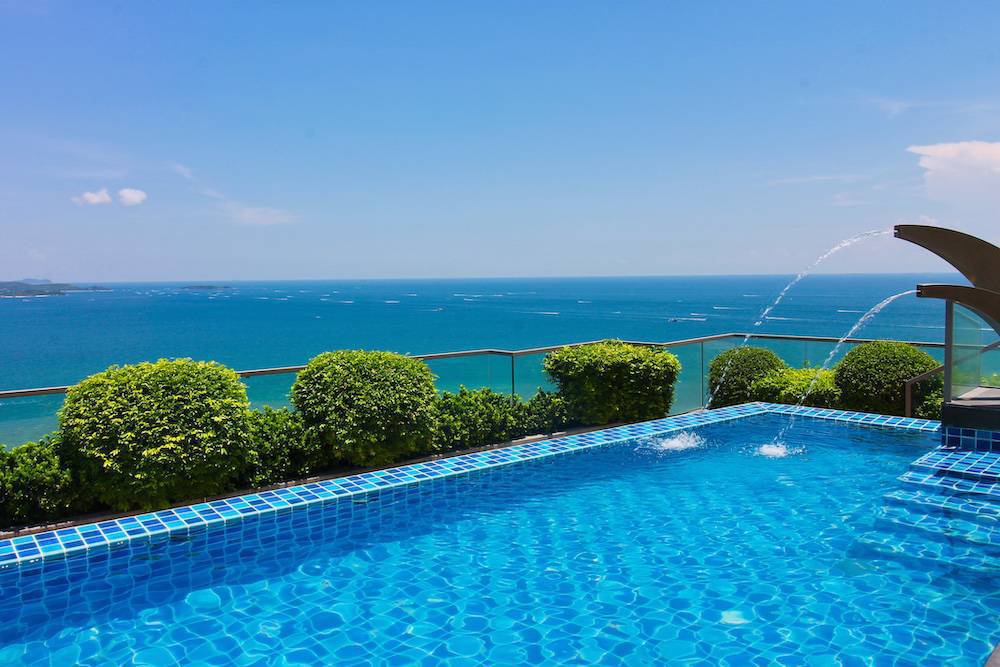
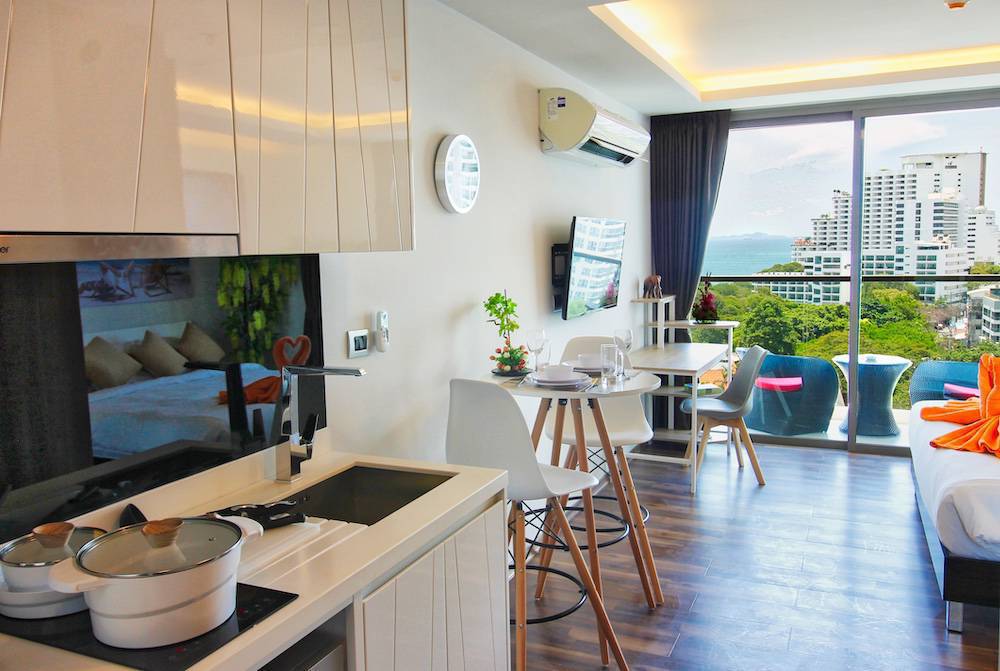
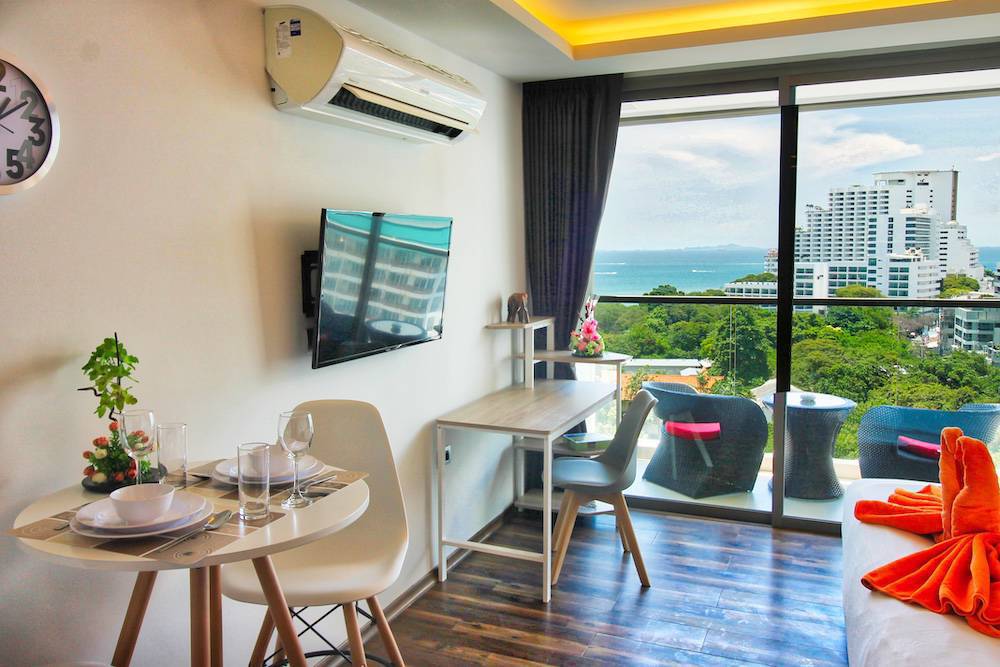
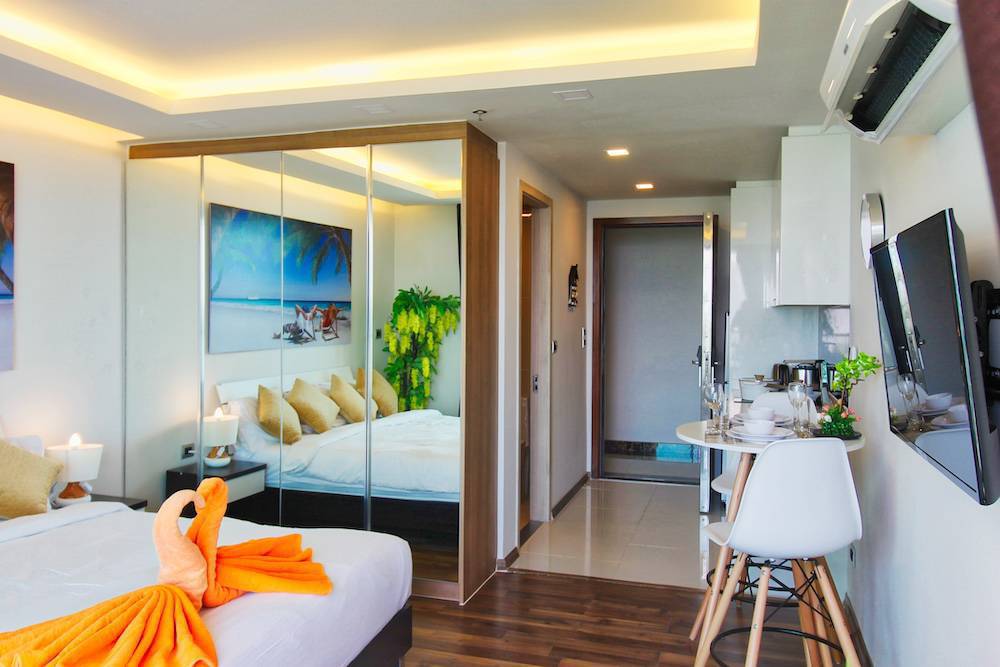




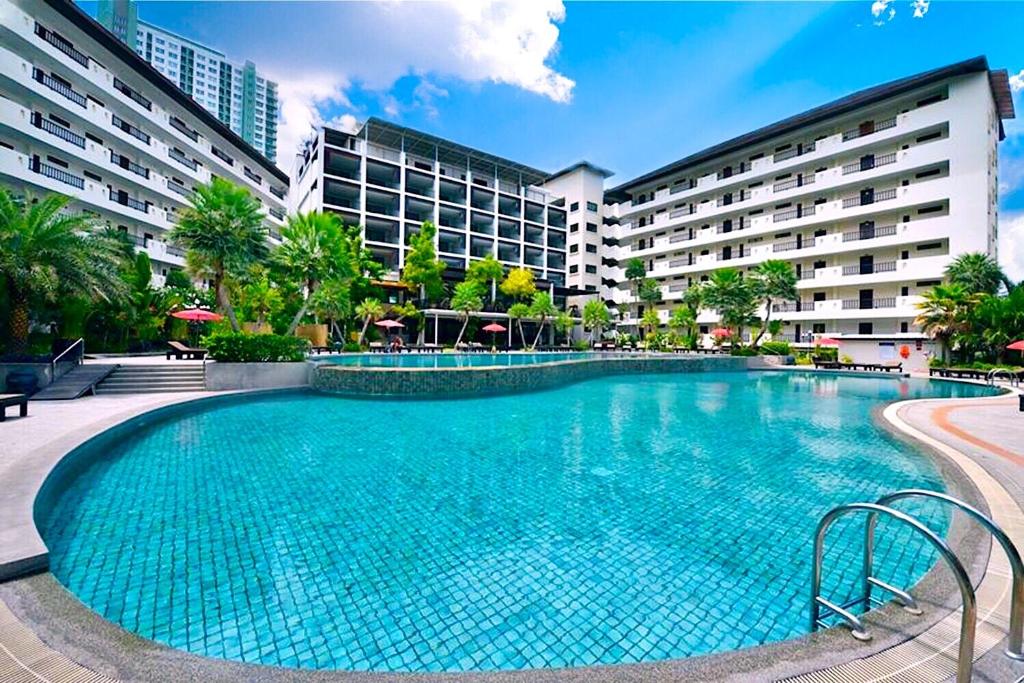
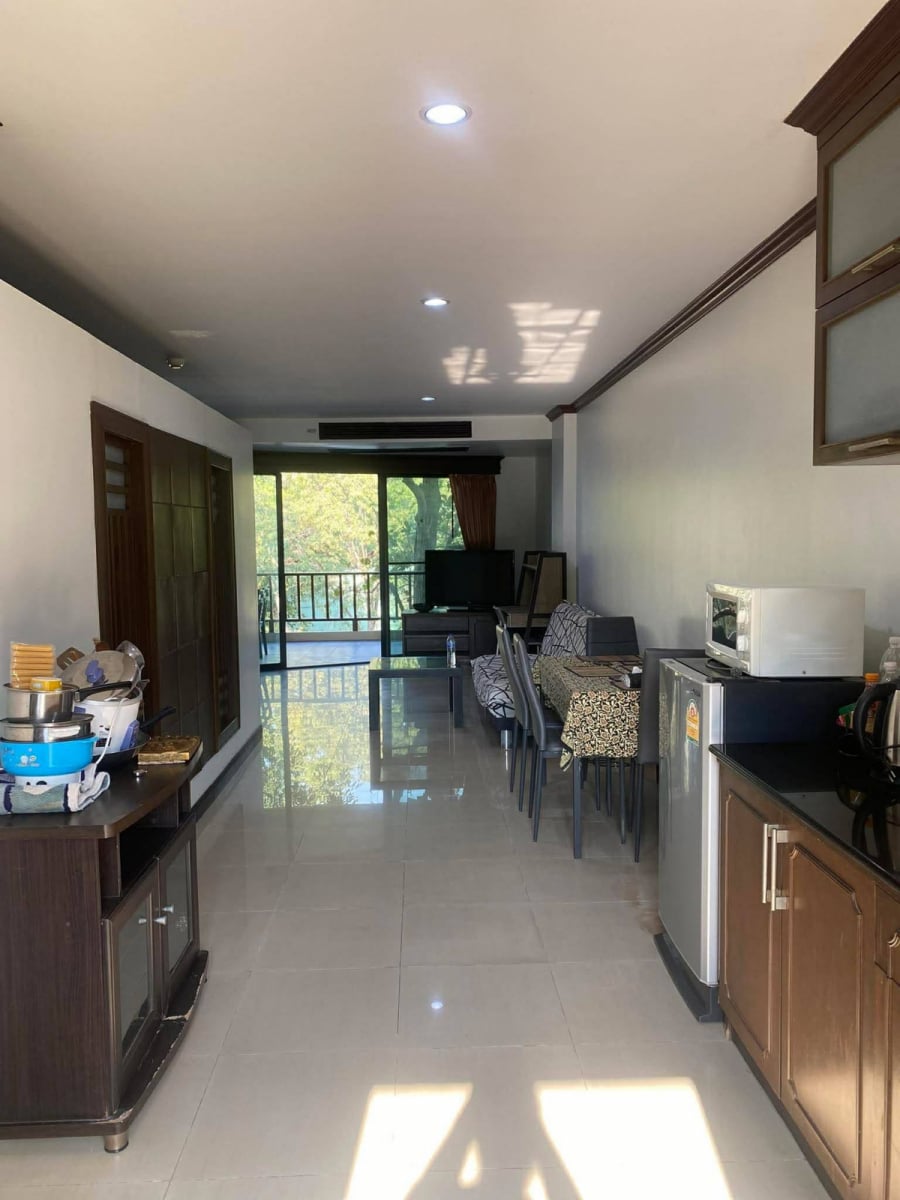
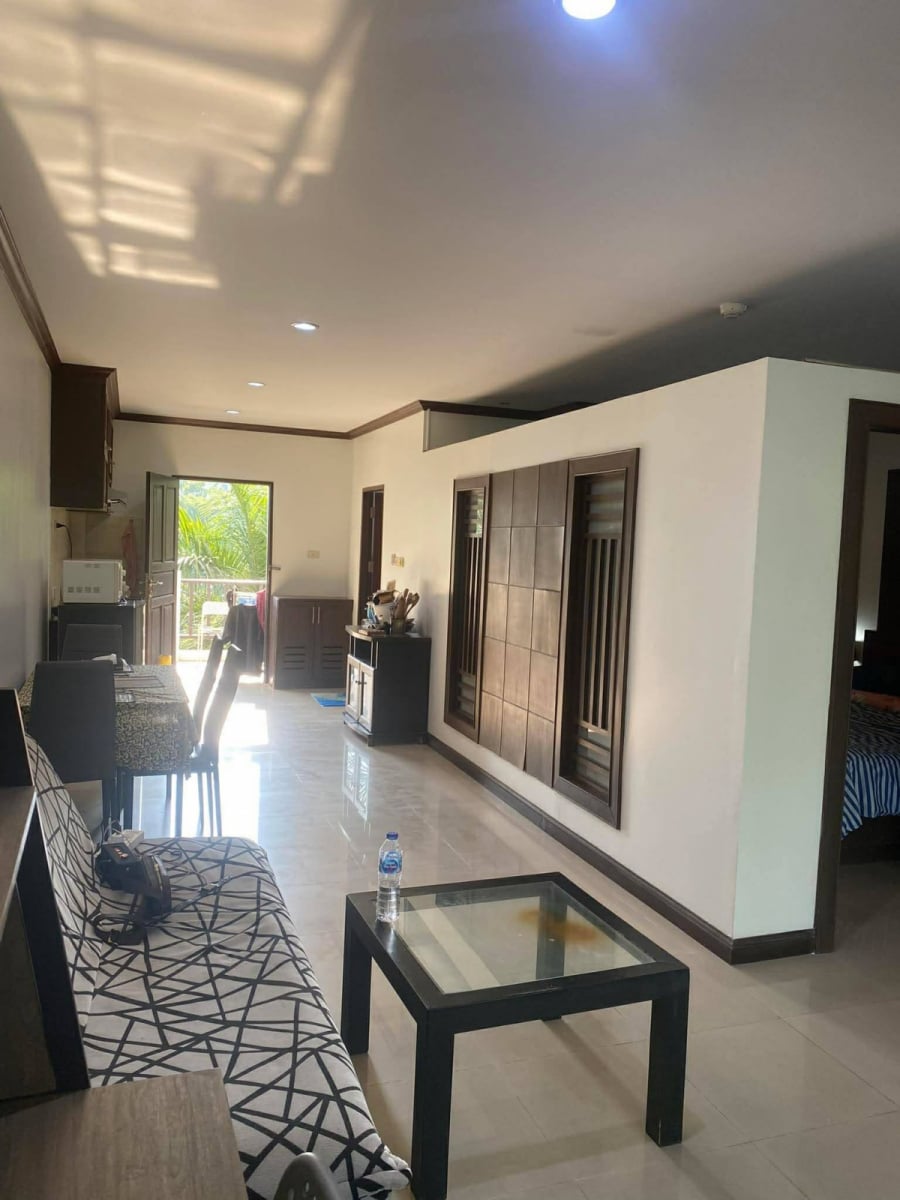
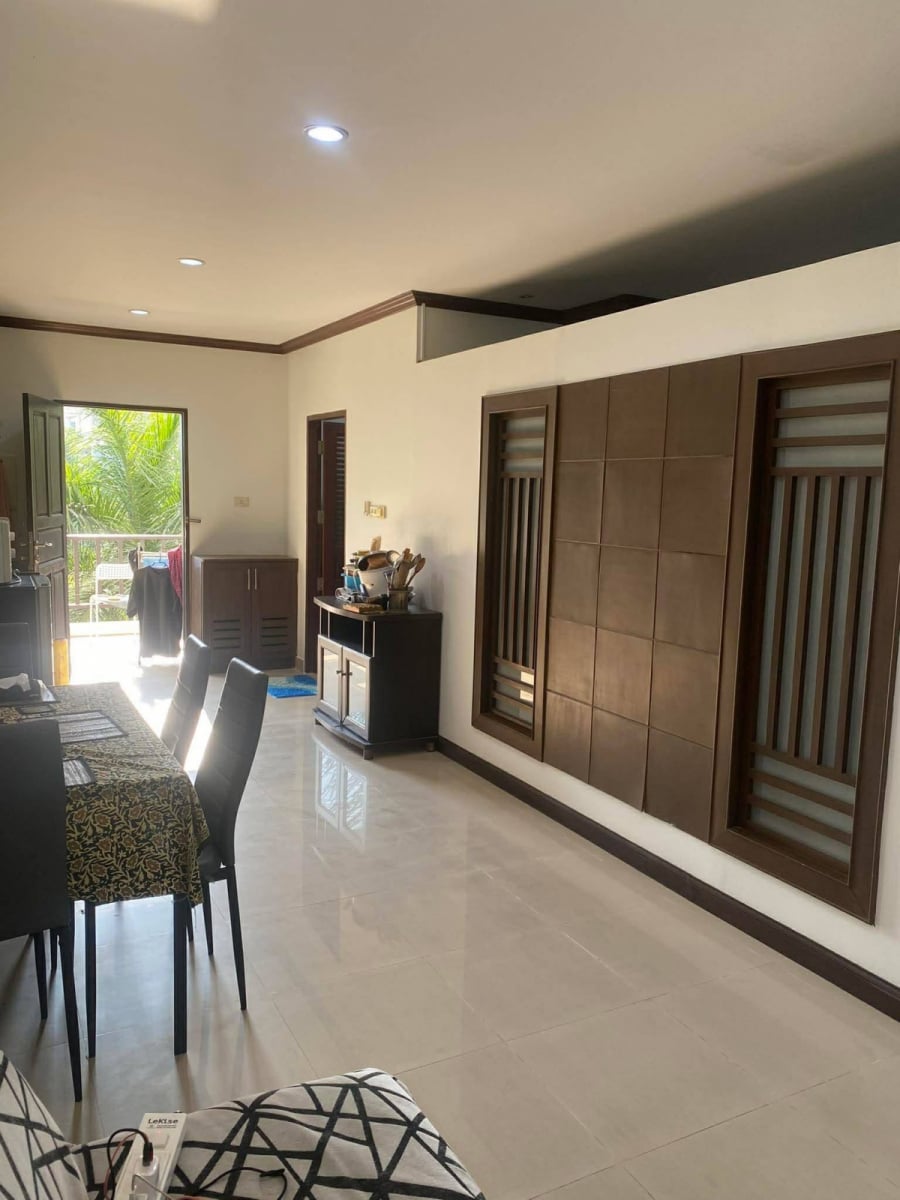
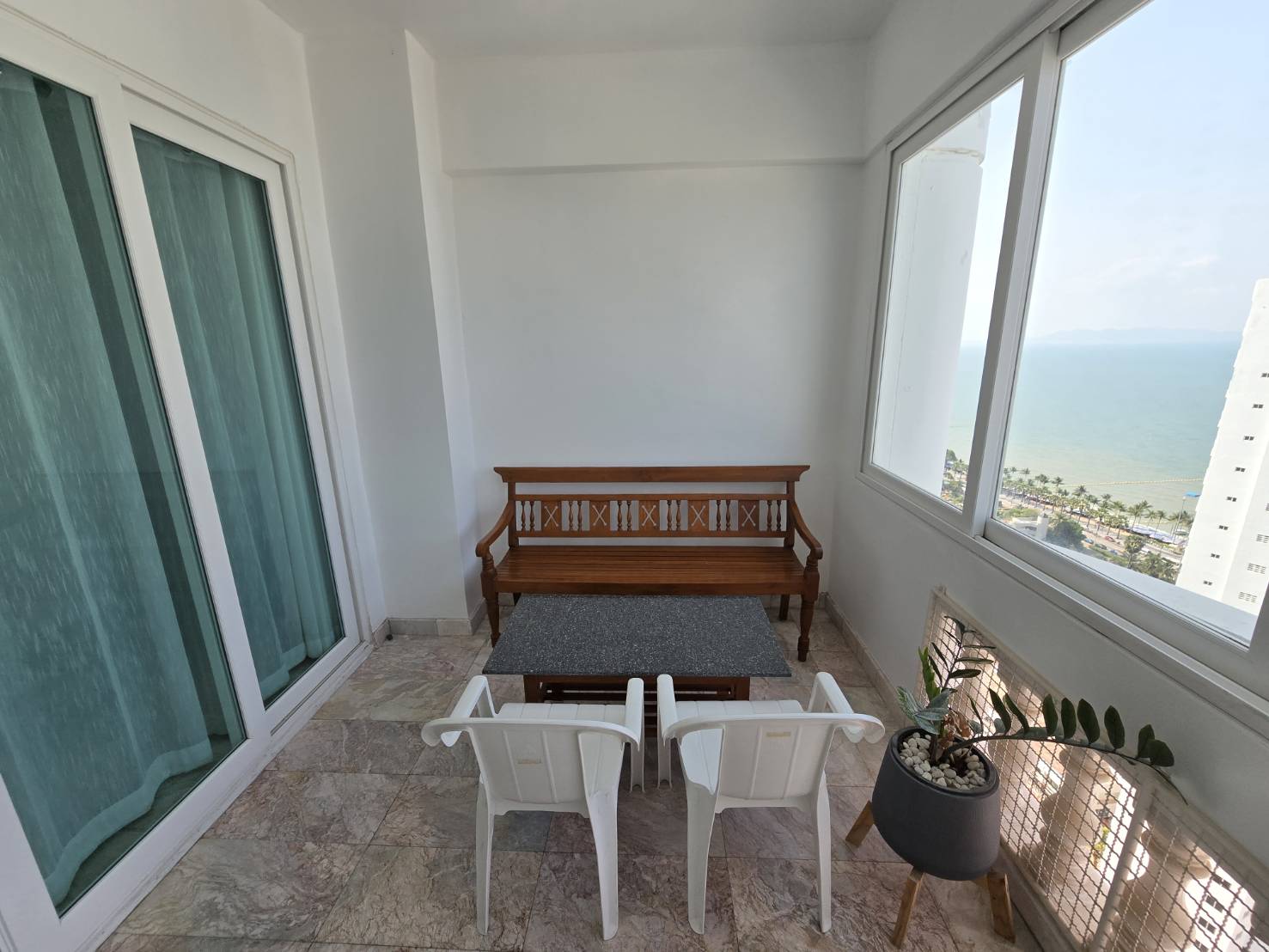
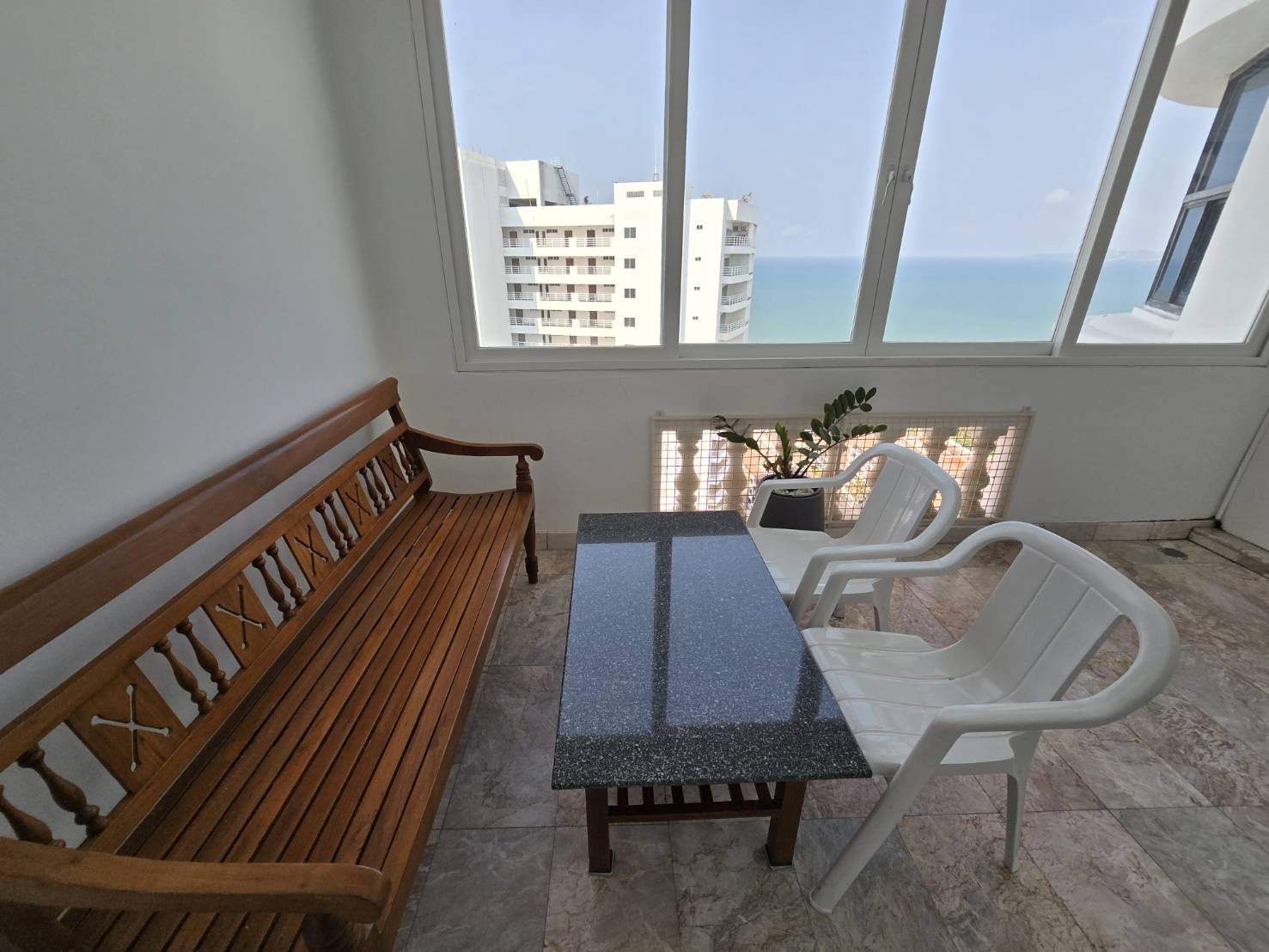
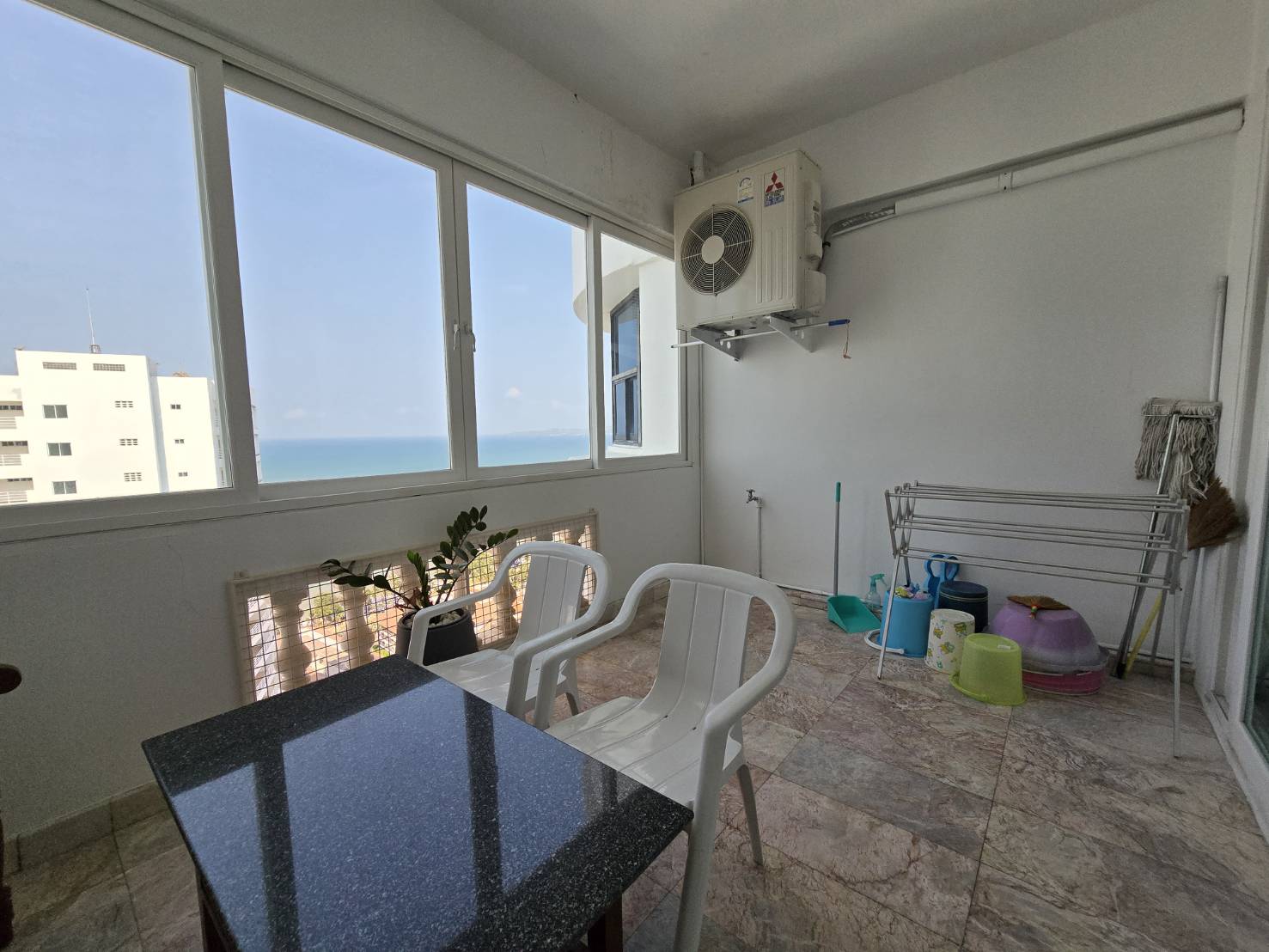
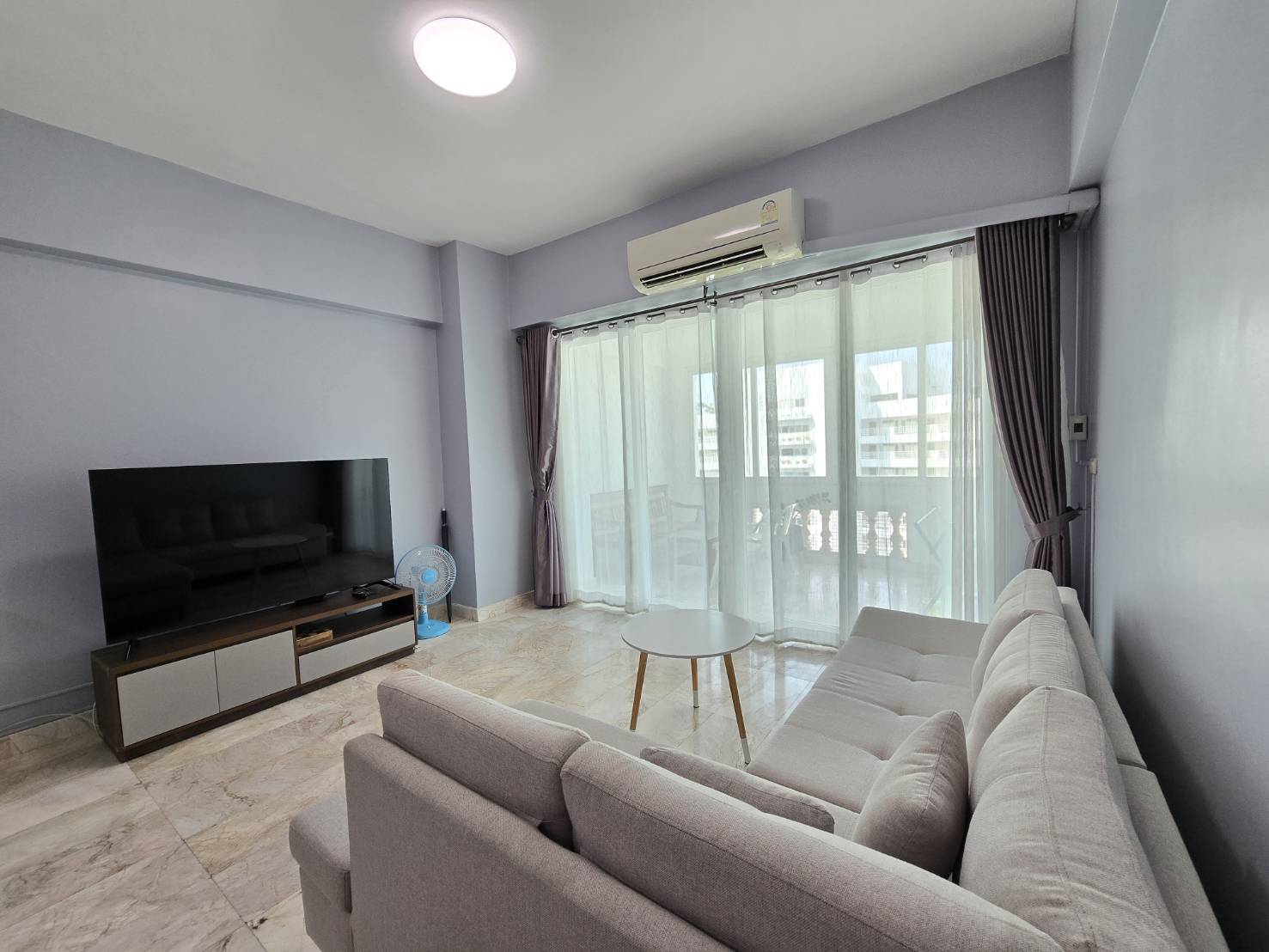
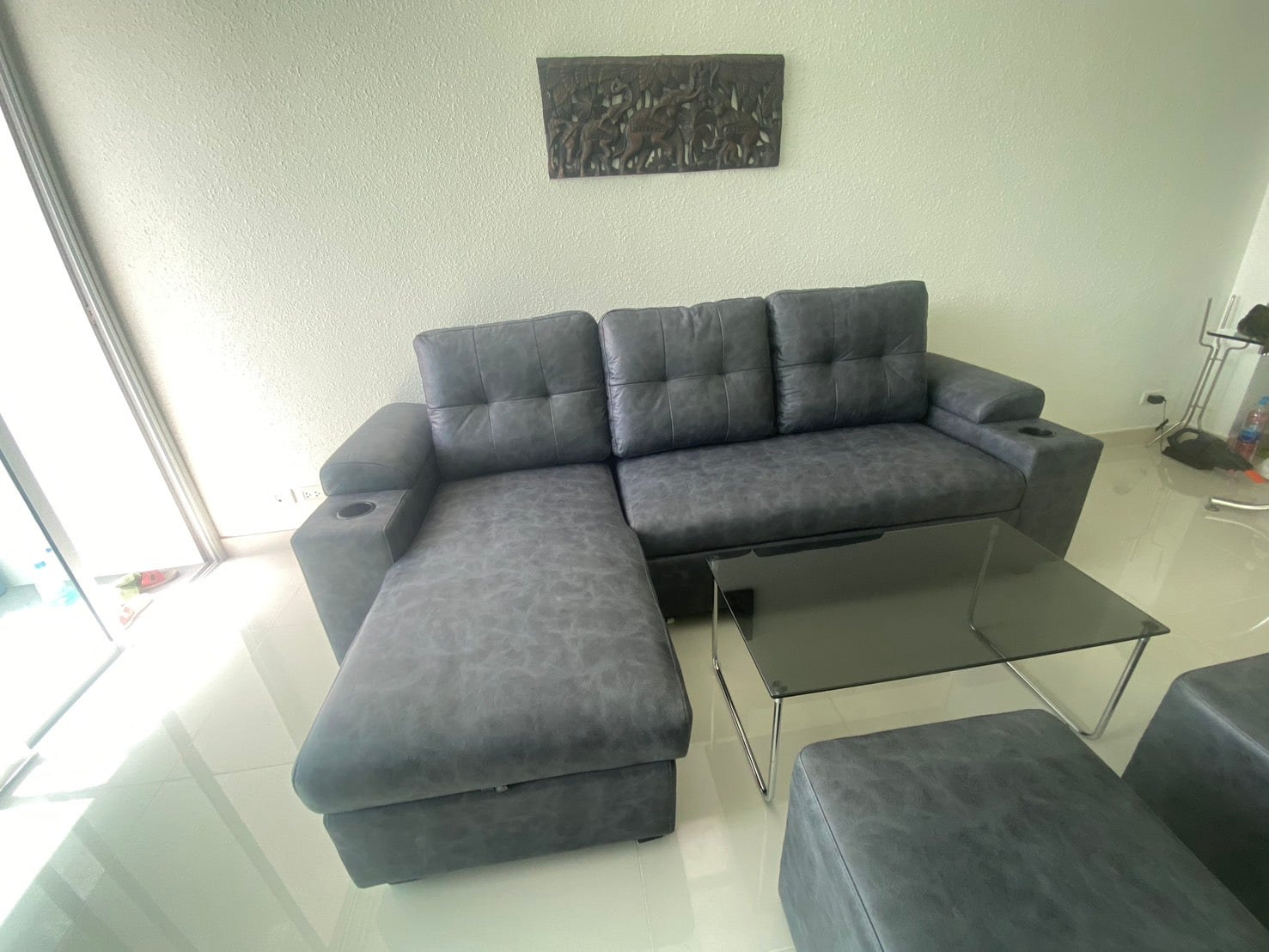
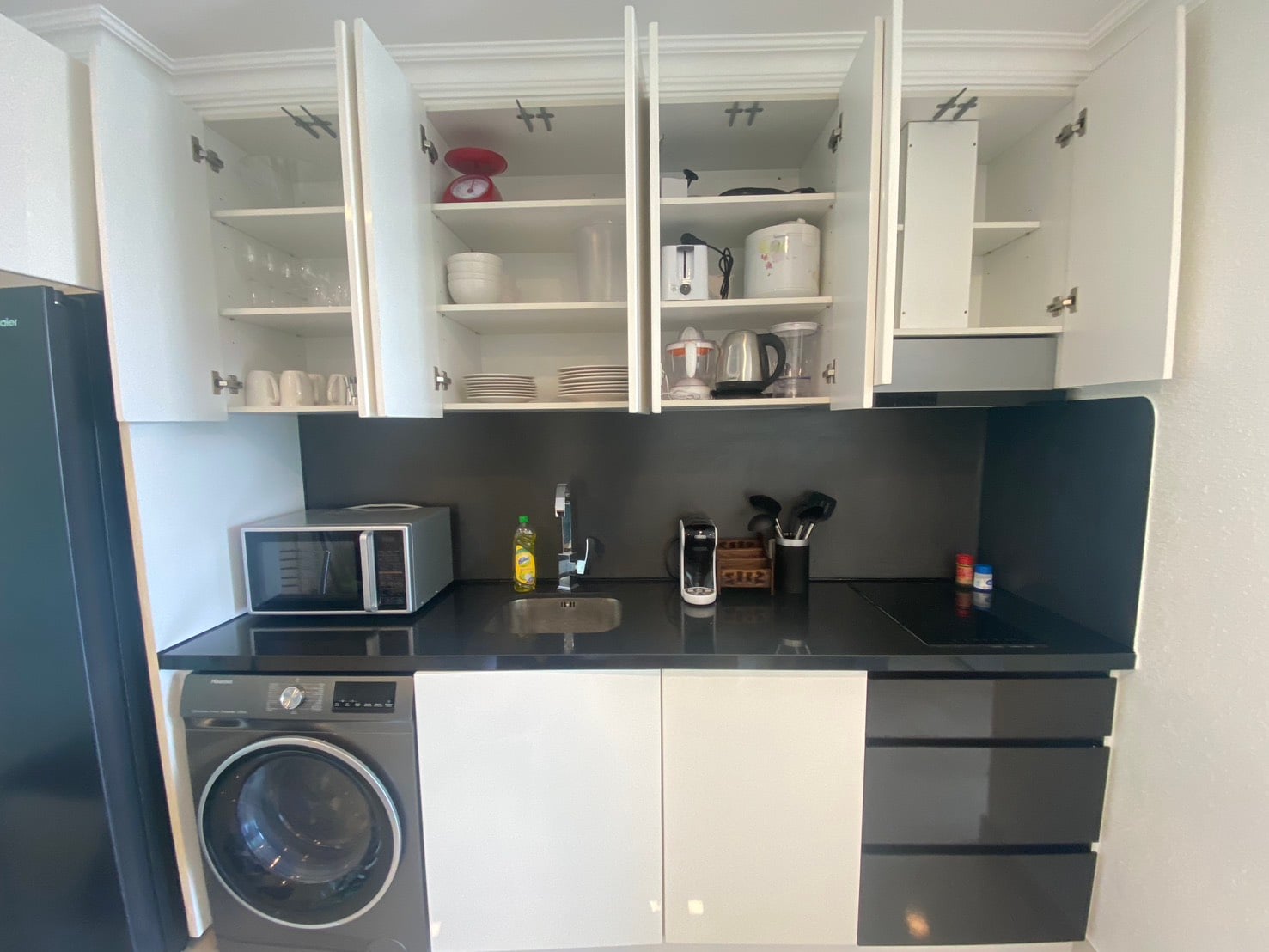
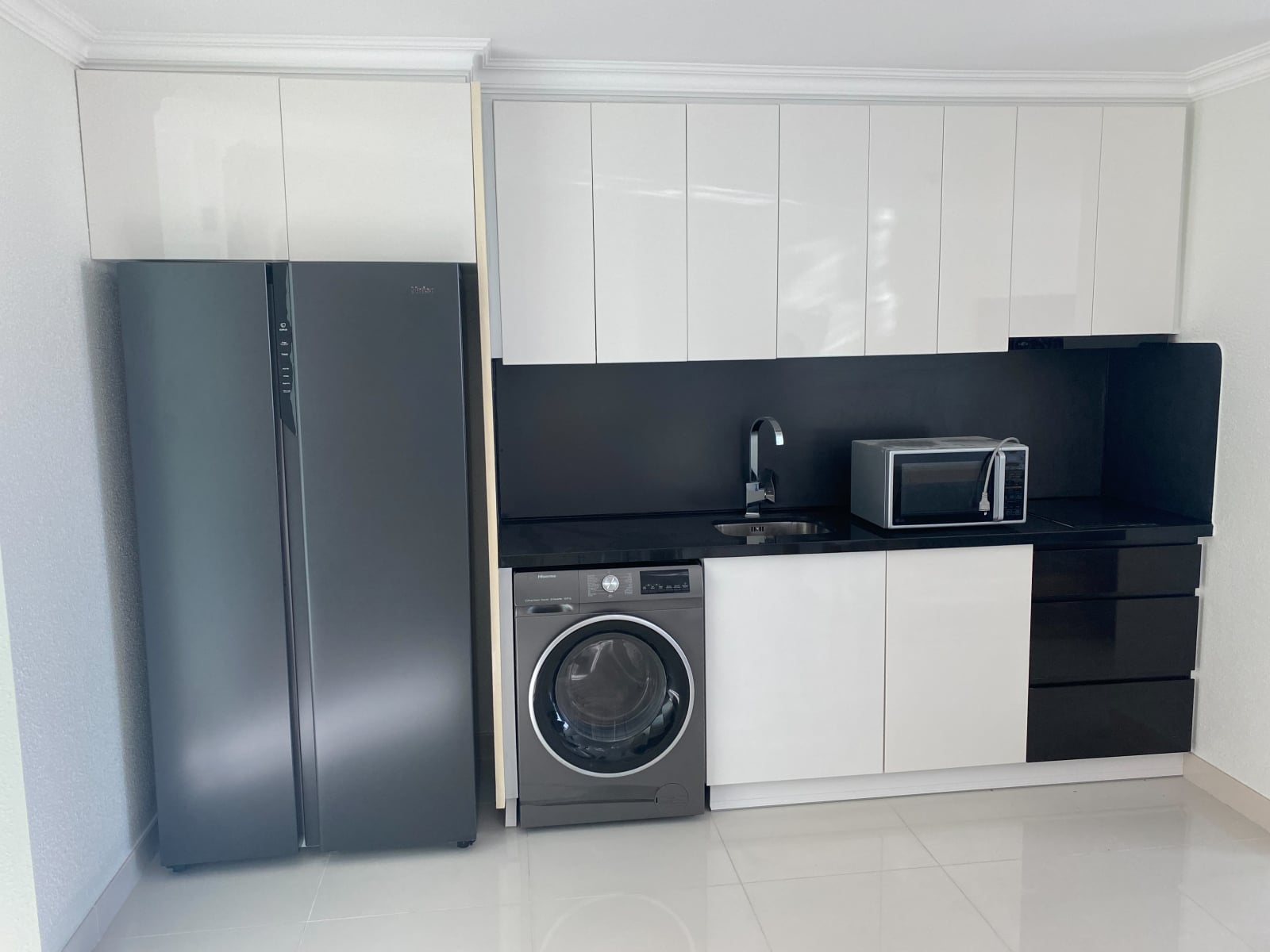

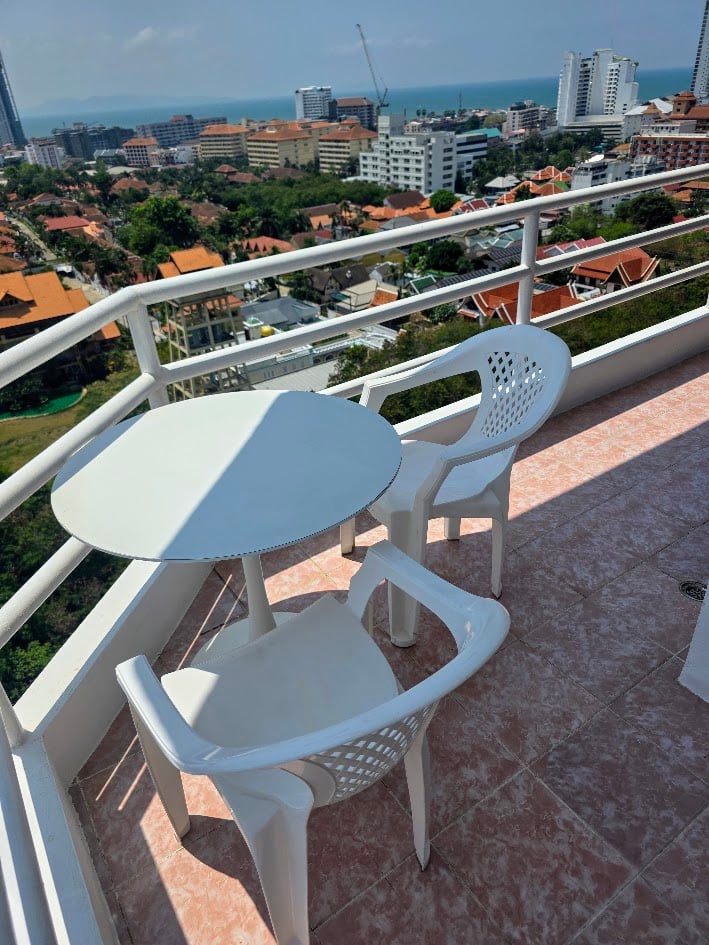
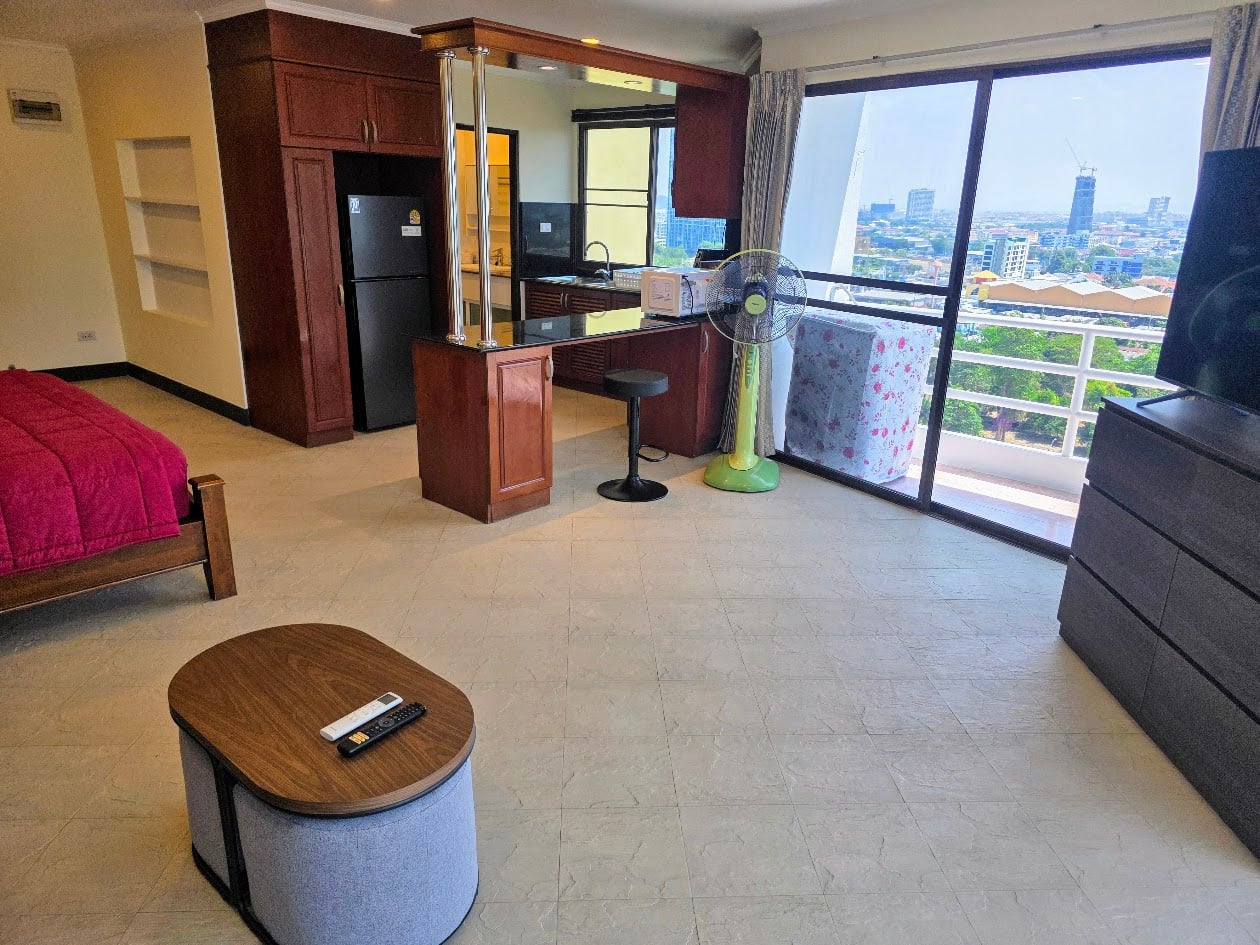
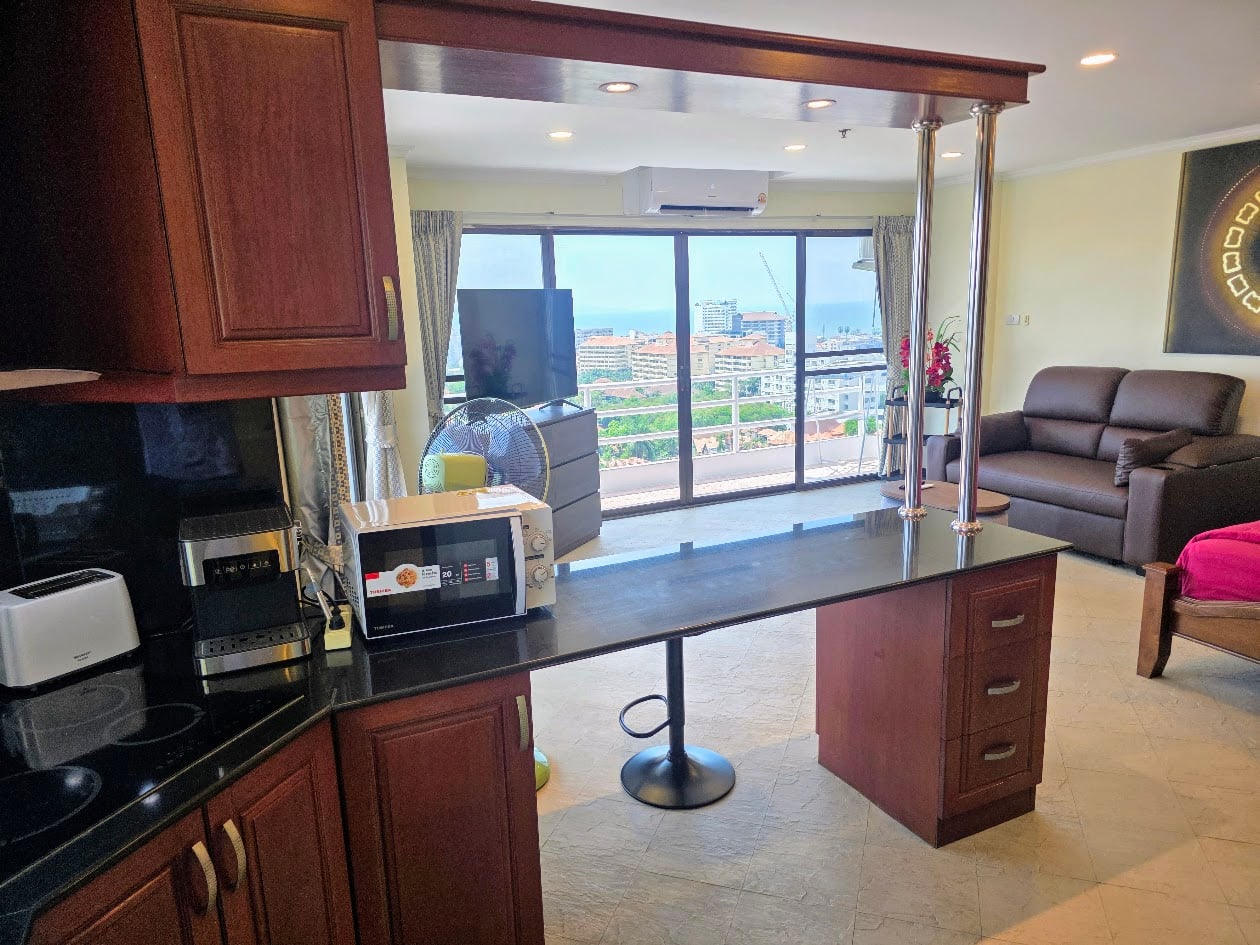
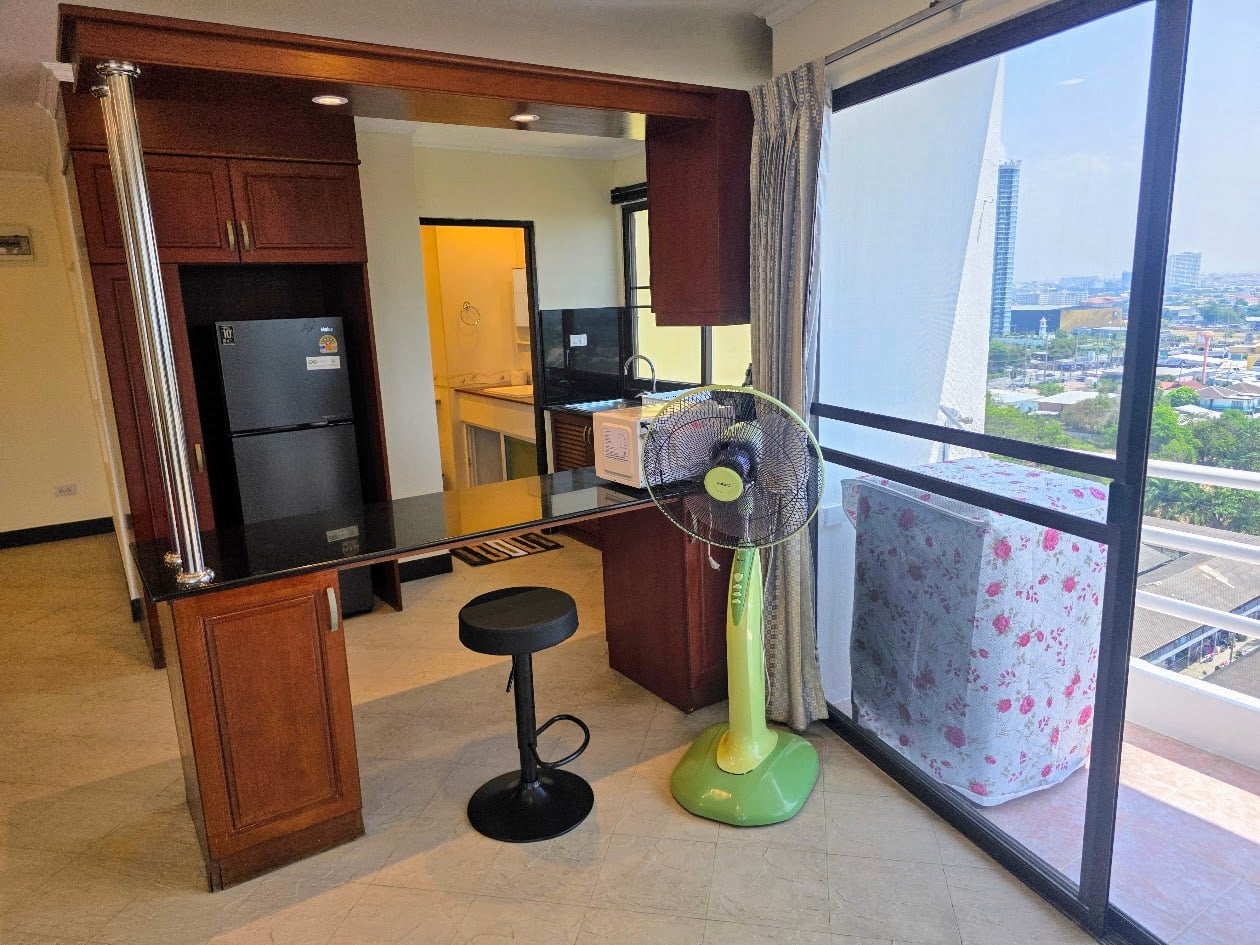
Premium Listings
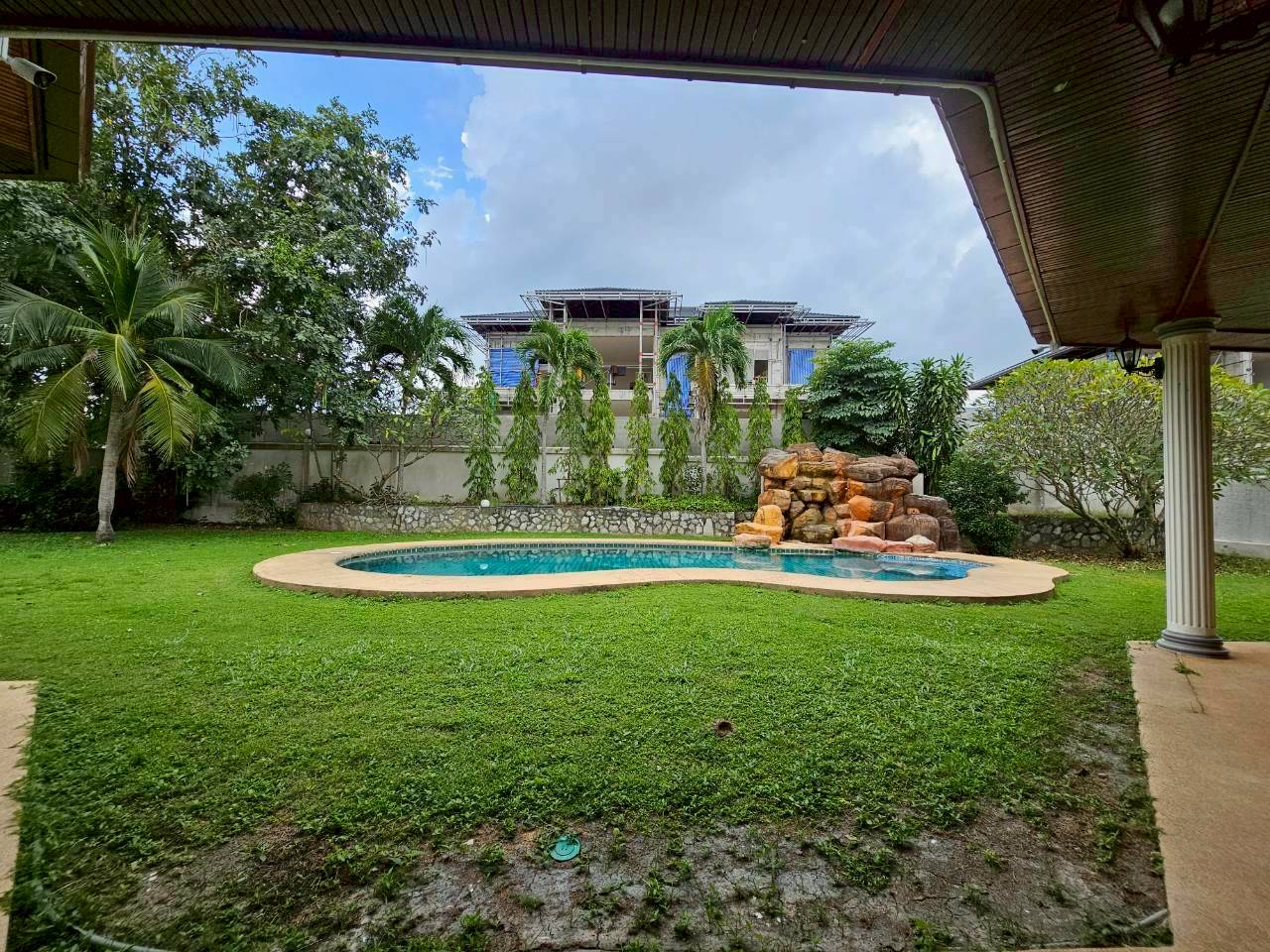
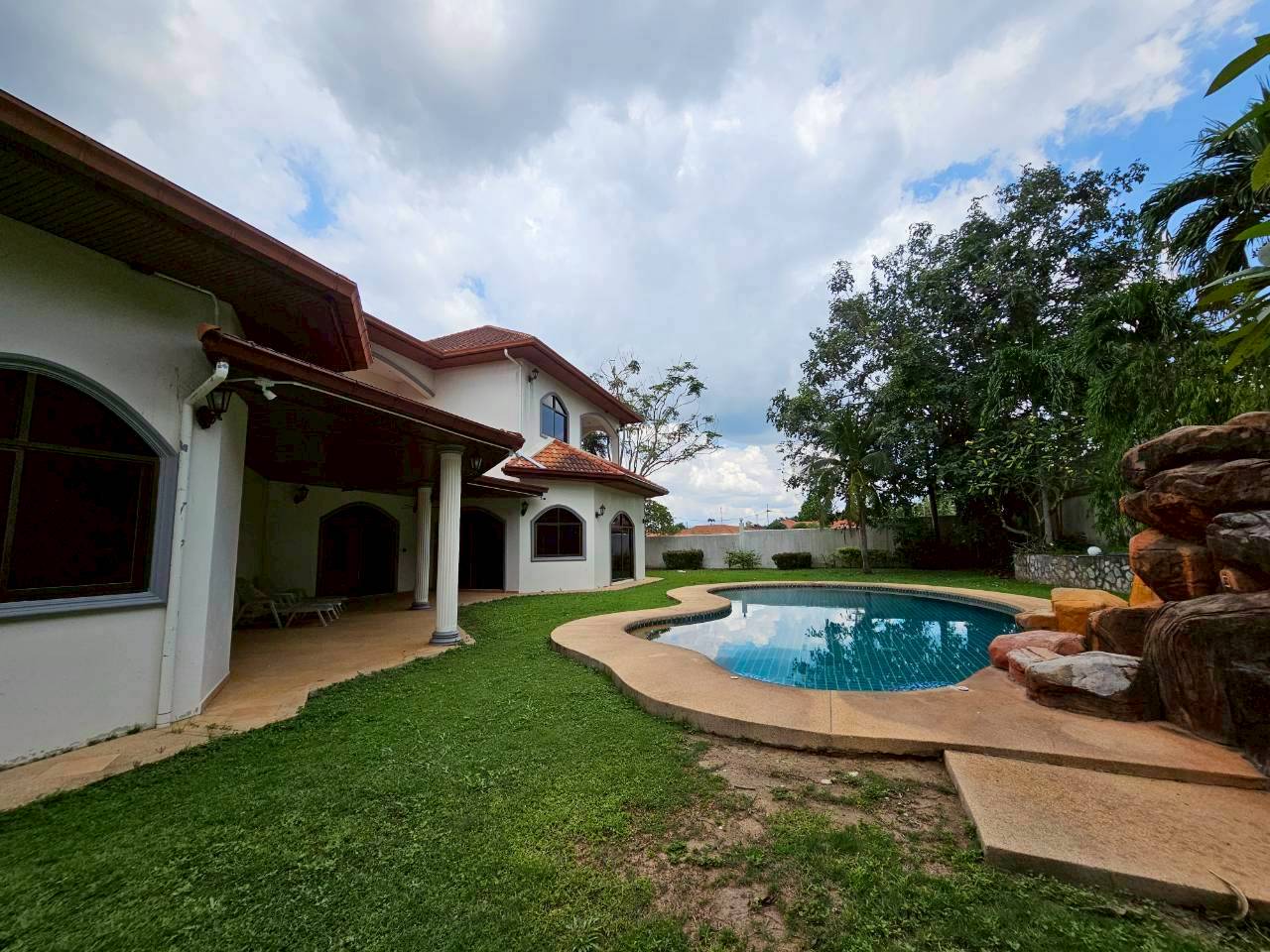
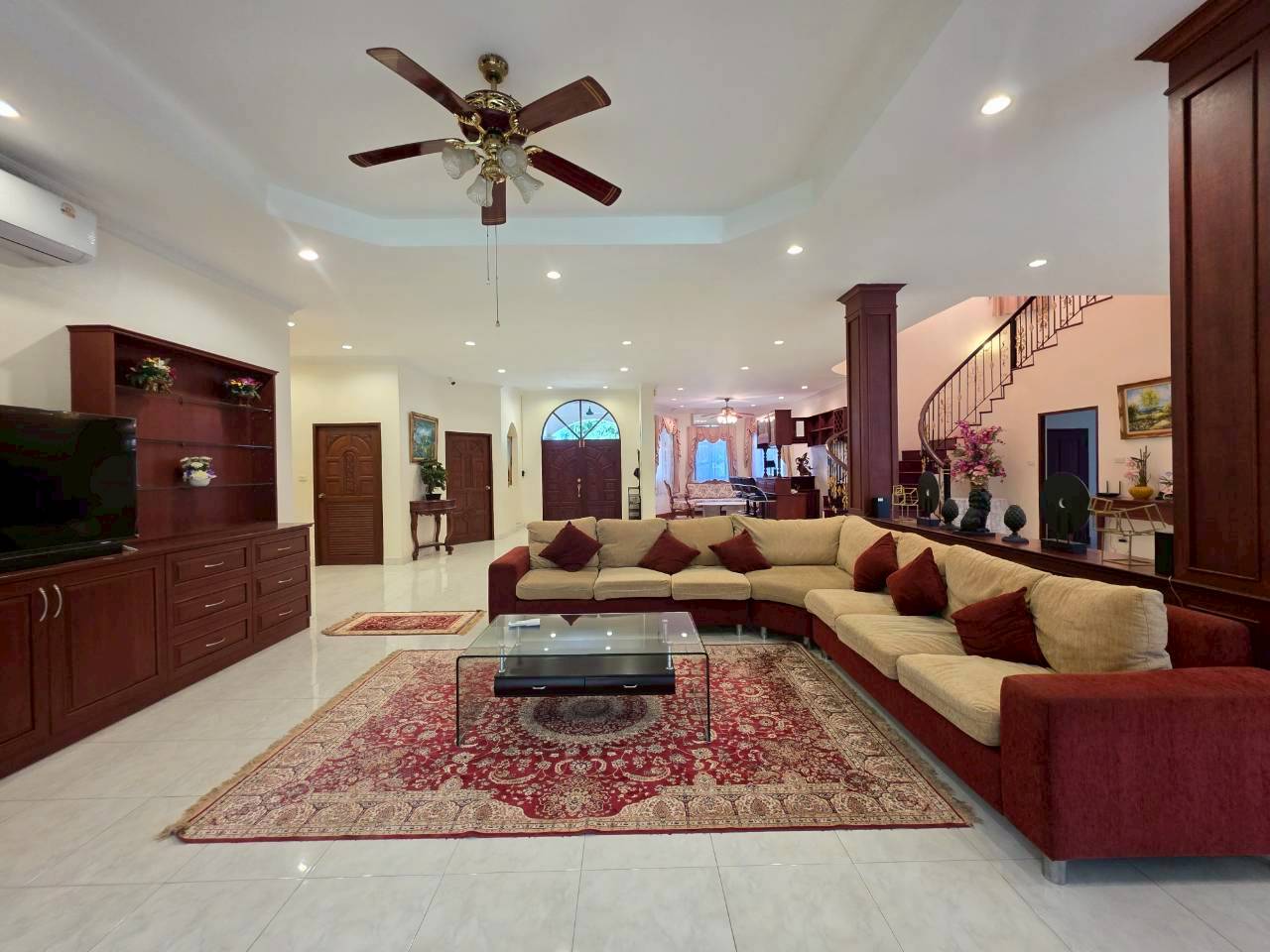
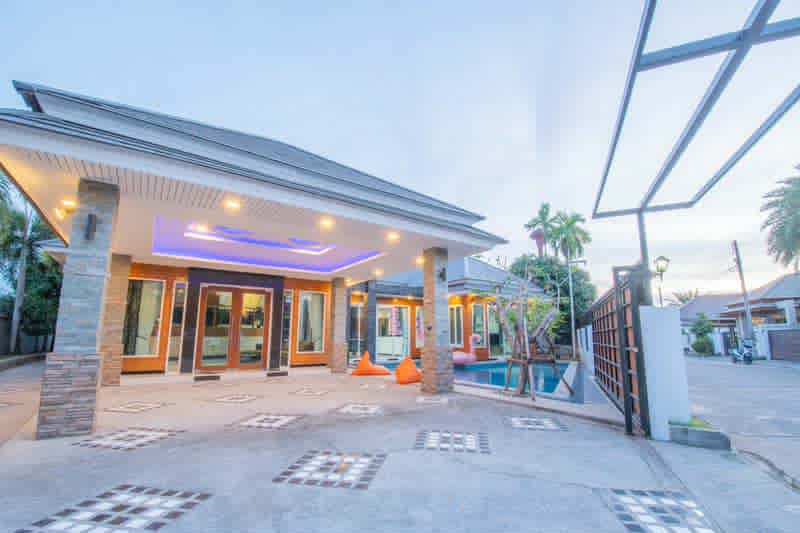
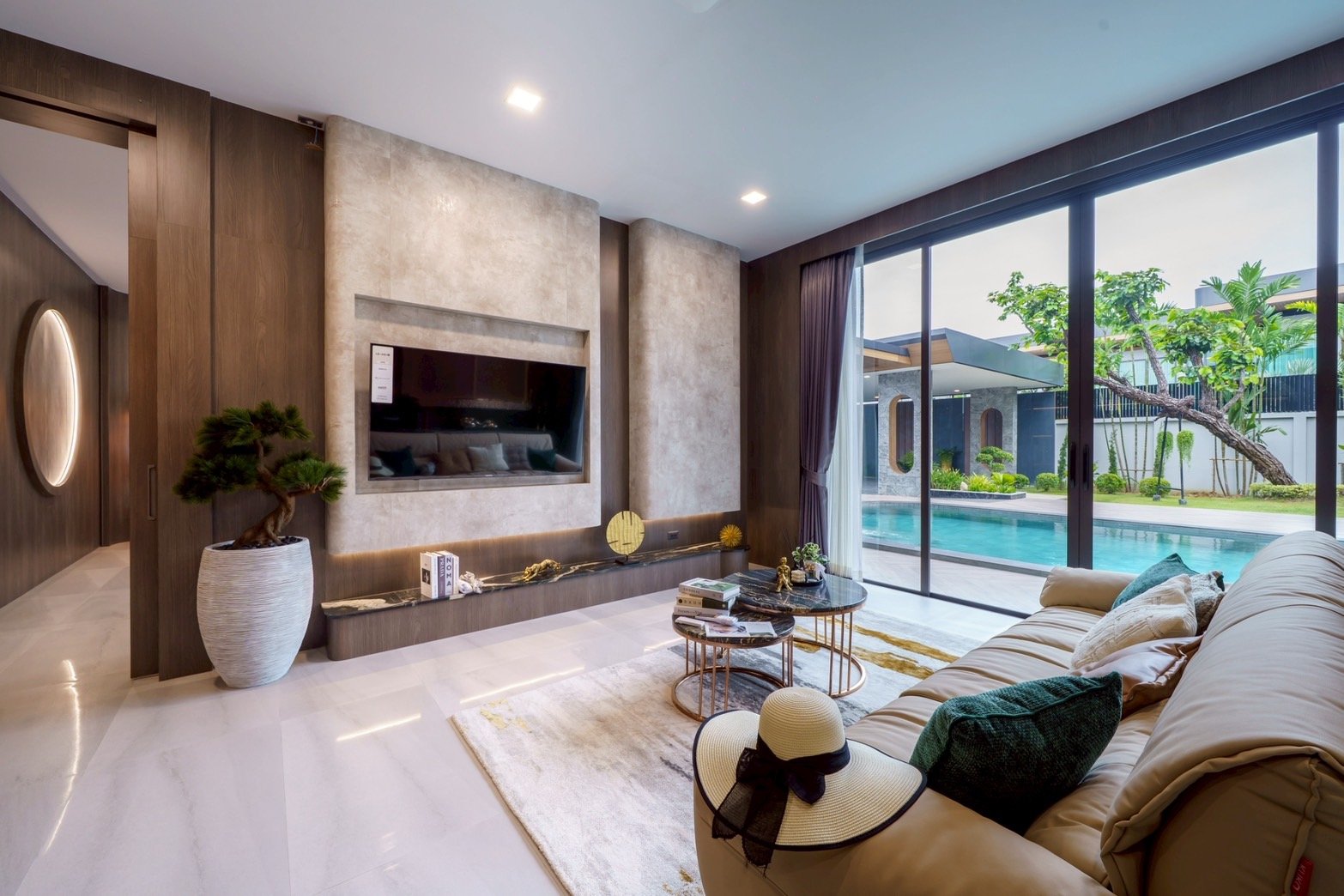
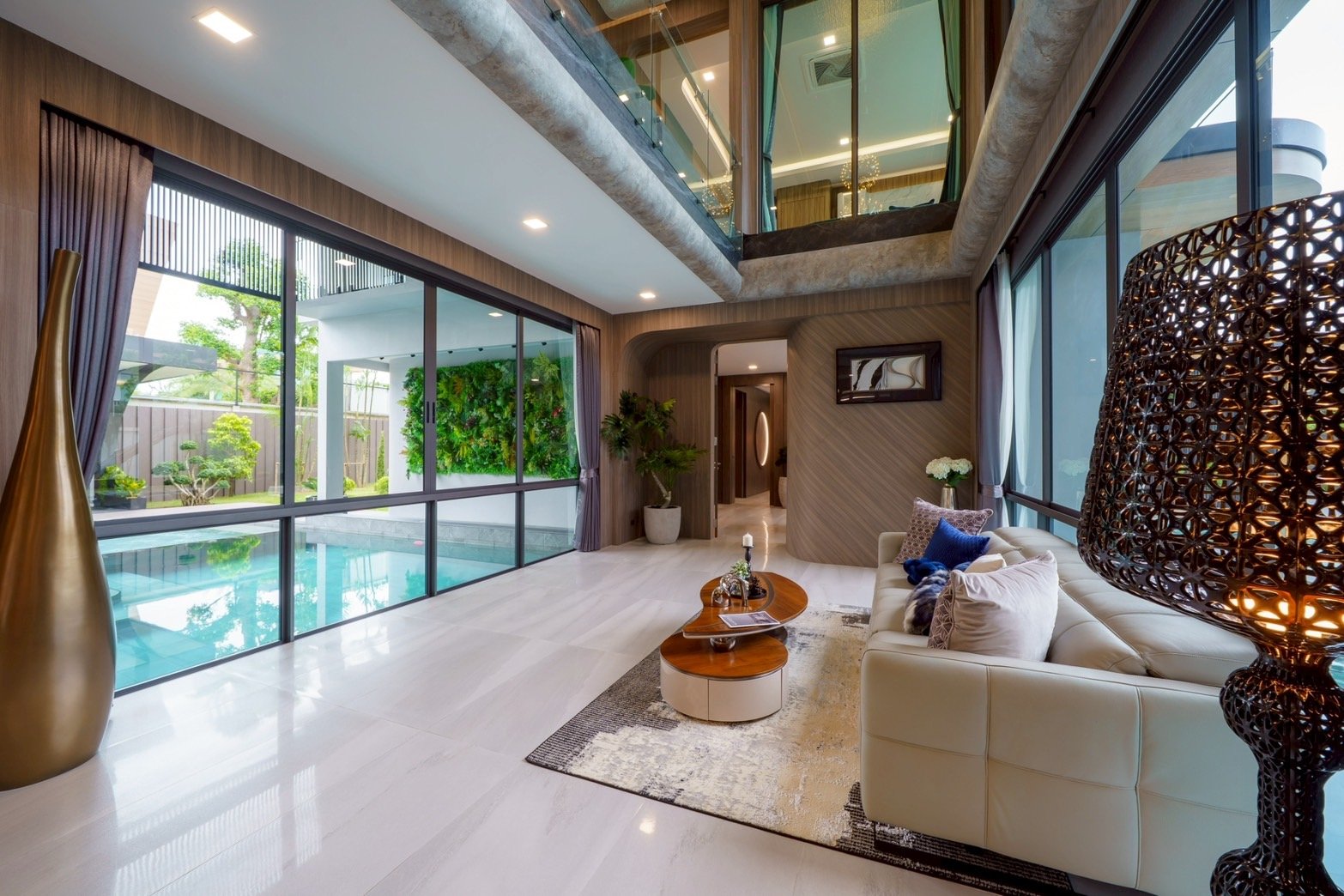
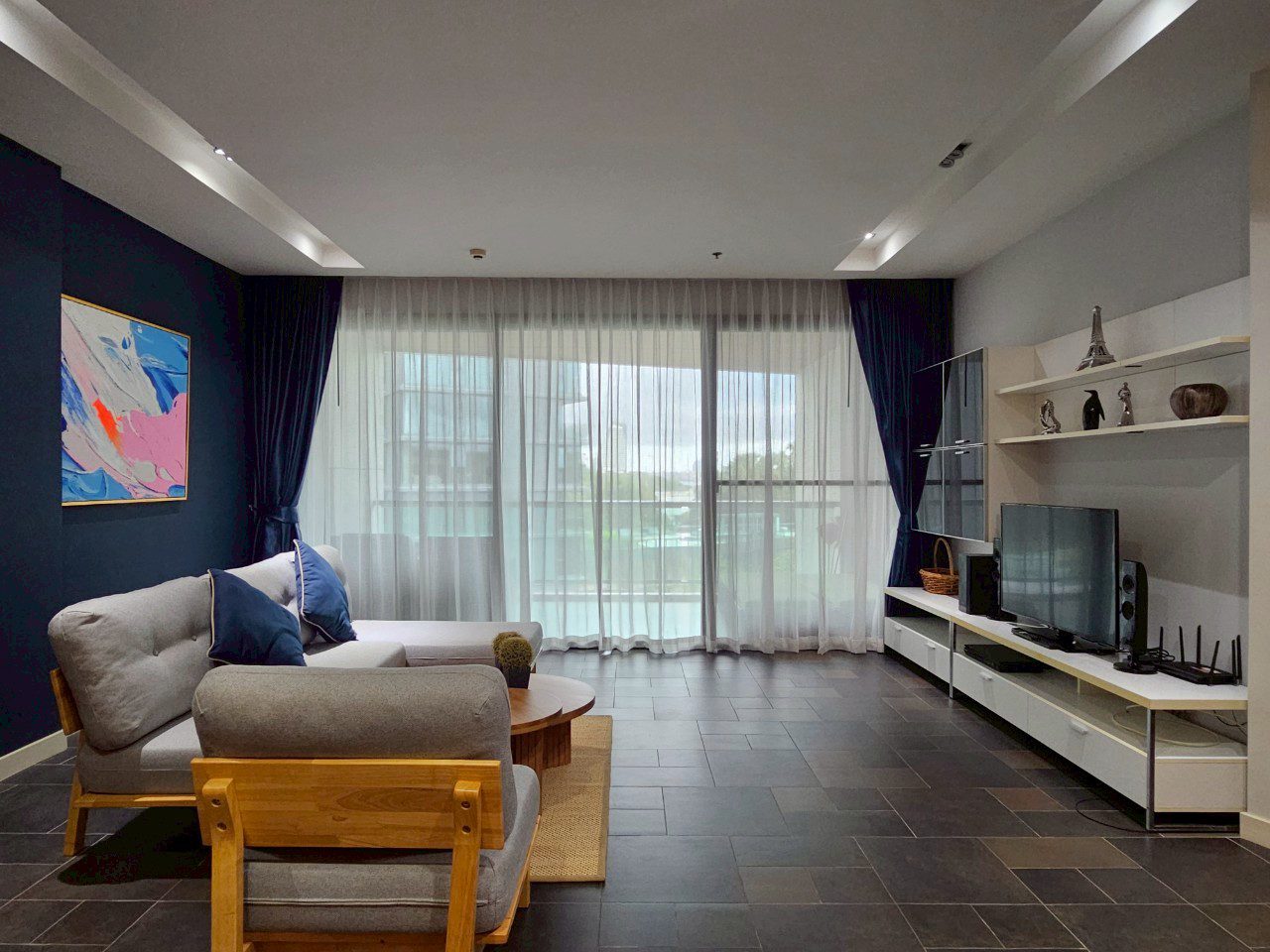
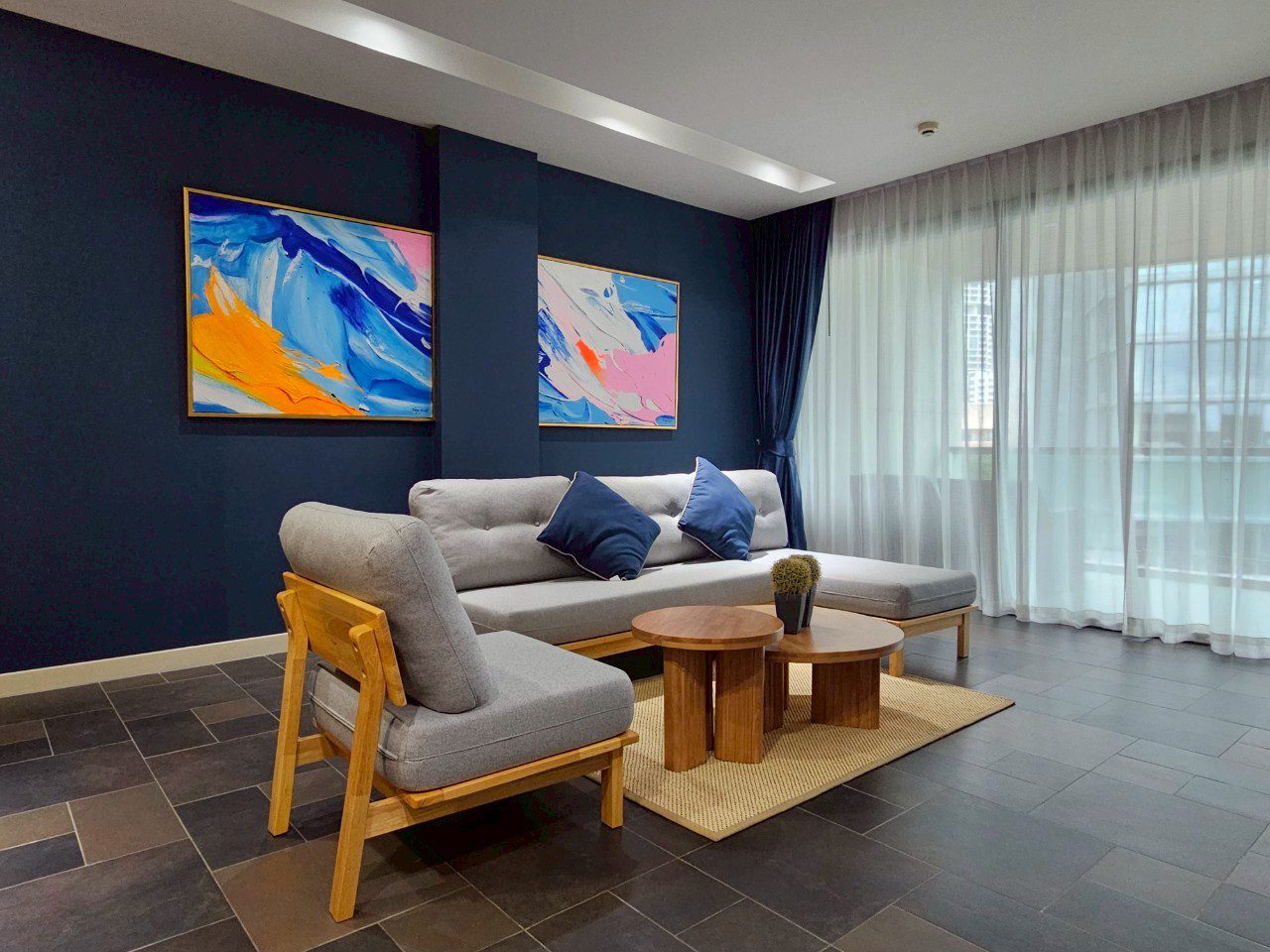
Handpicked Homes in Pattaya's Prime Locations - Ready to Buy, Rent, or Invest
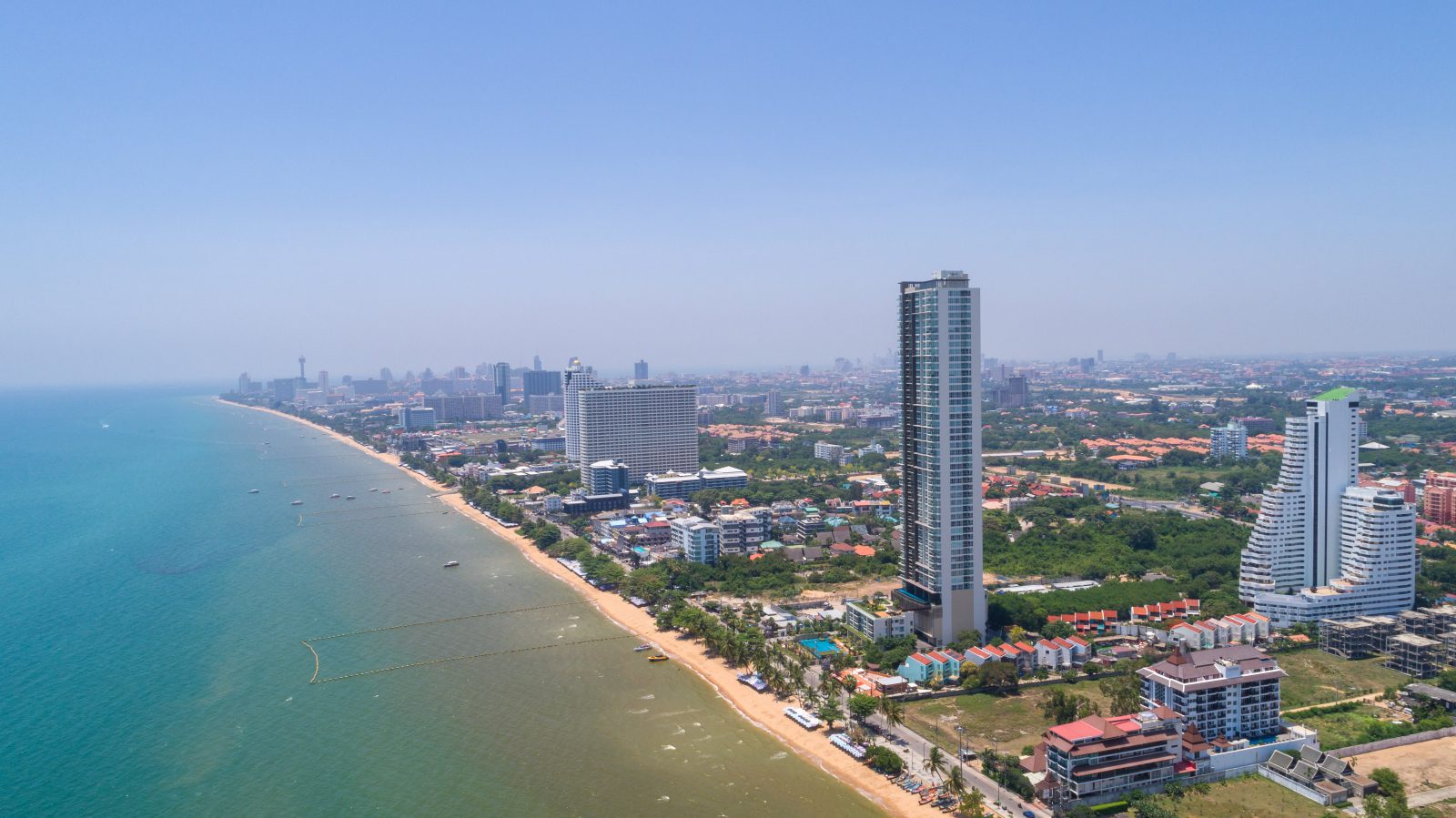
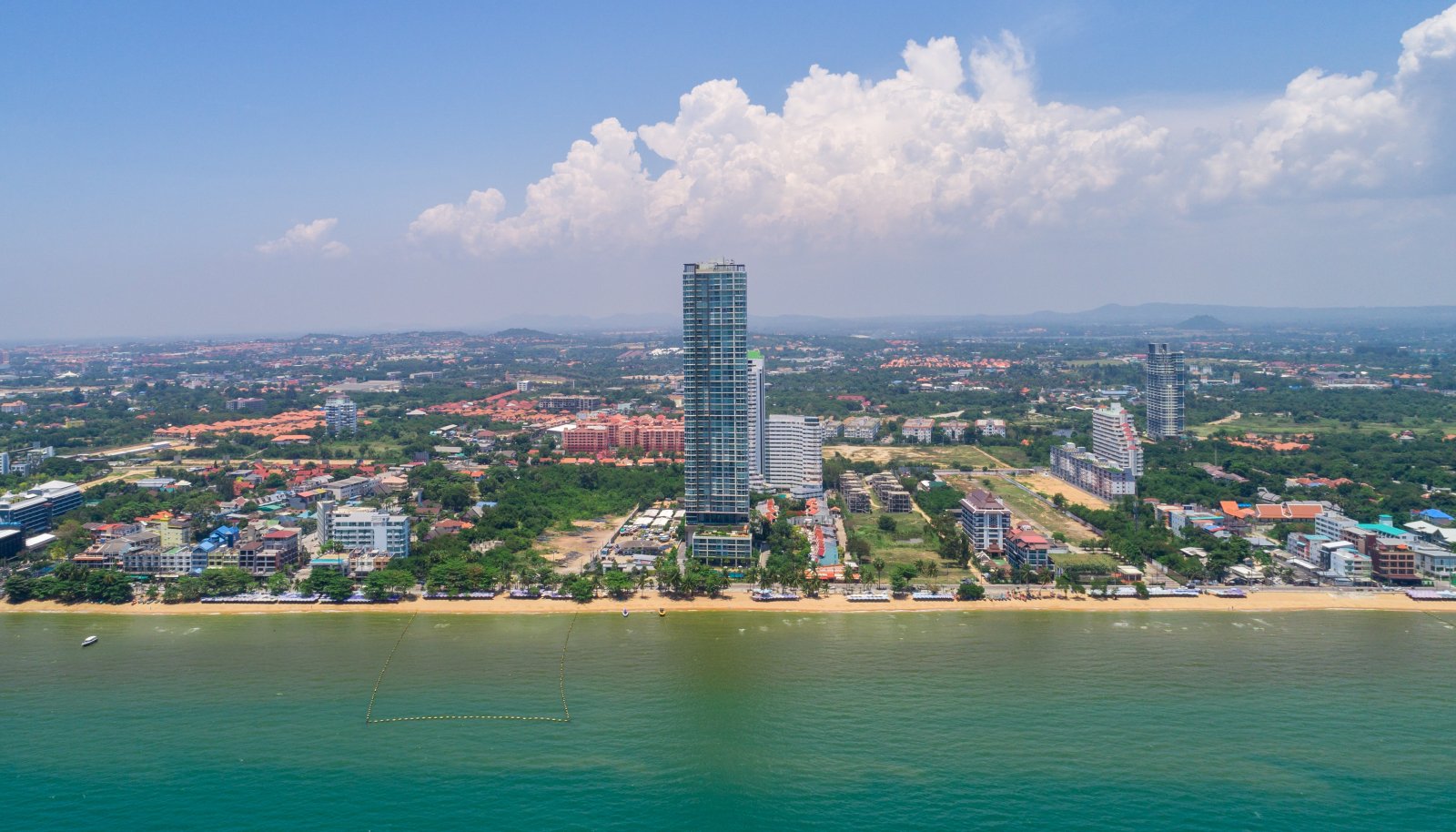
Explore our curated selection of top-tier properties across Jomtien, Pratumnak, East Pattaya, and beachfront hotspots.
Whether you're relocating, retiring, or investing, these listings offer unmatched value and lifestyle.
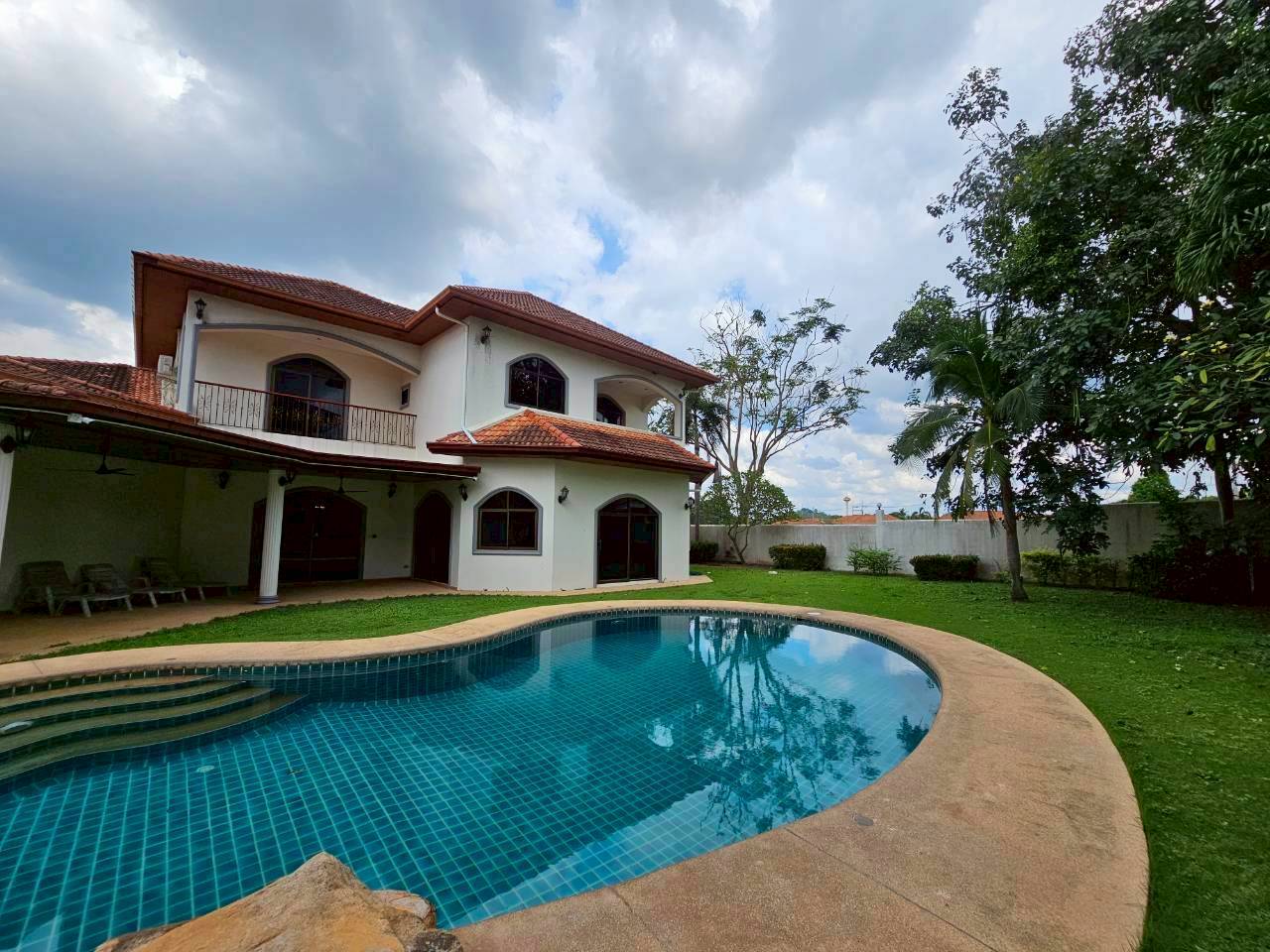





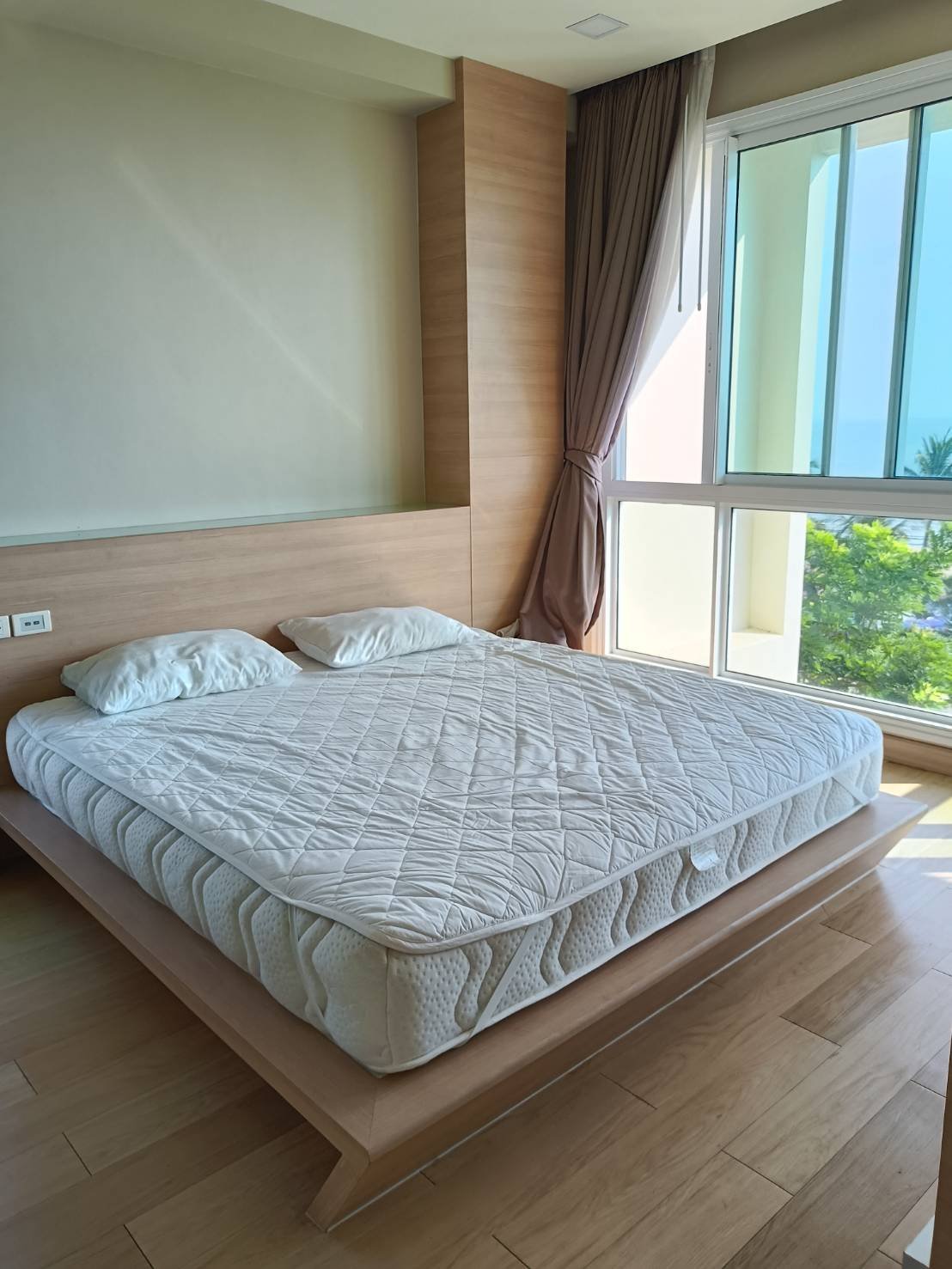
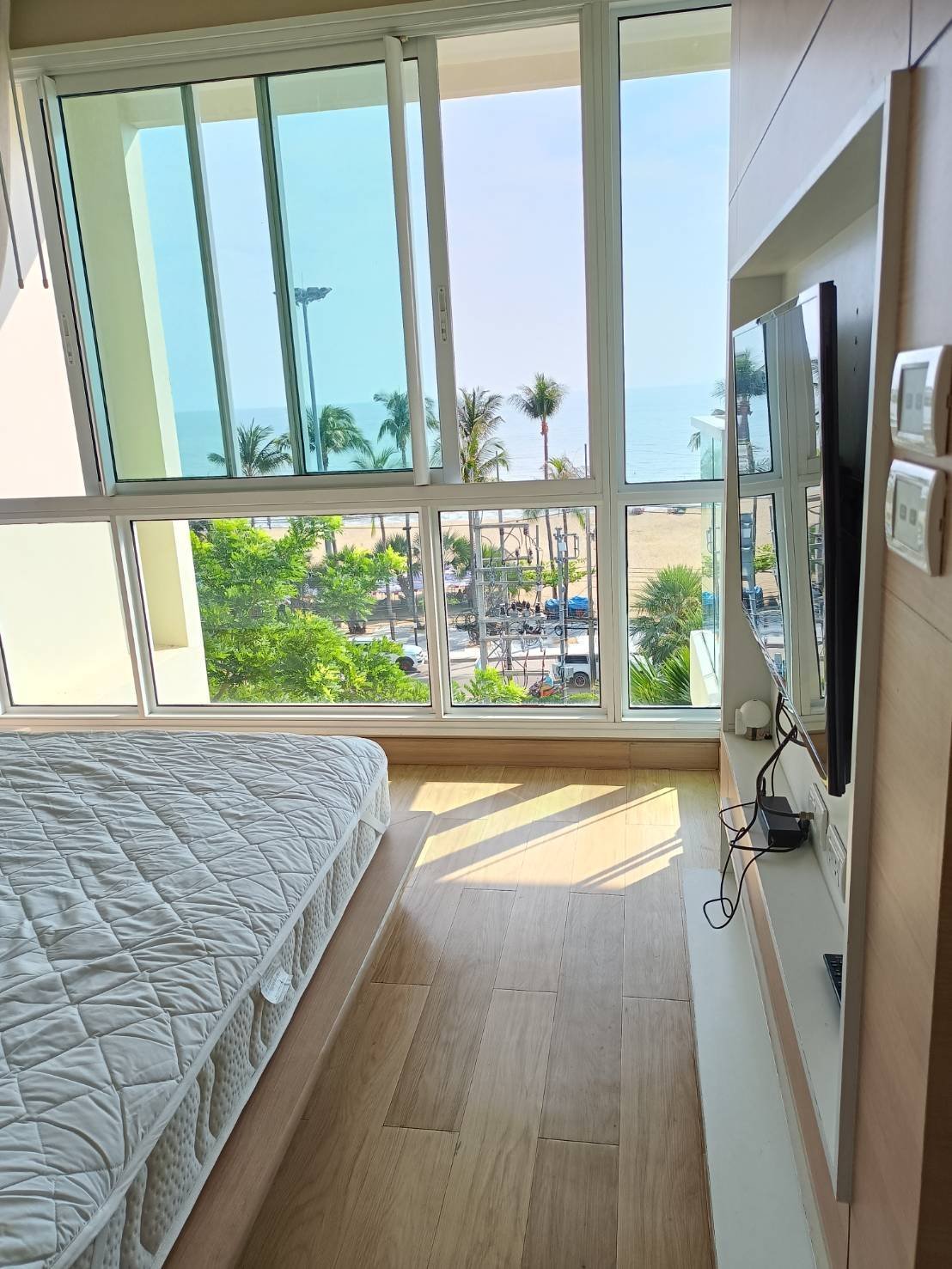



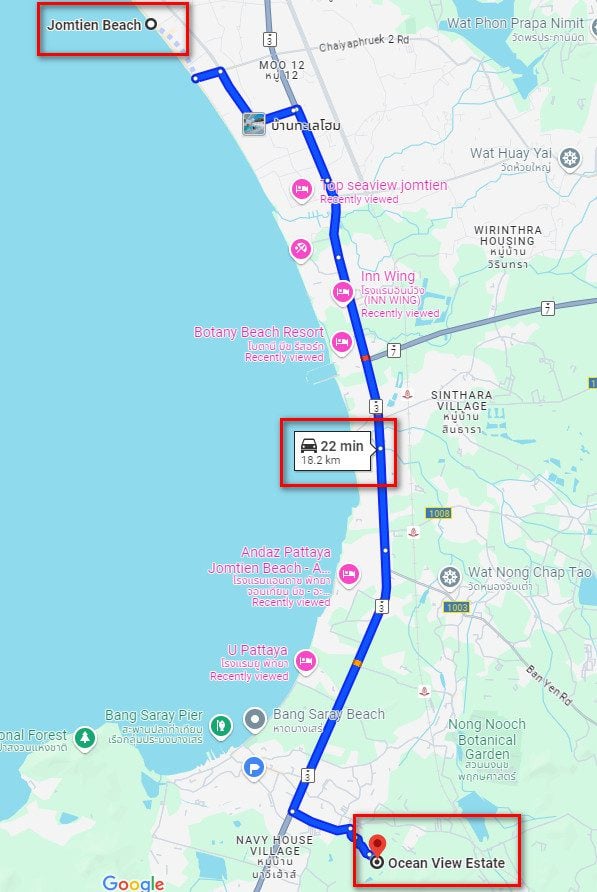
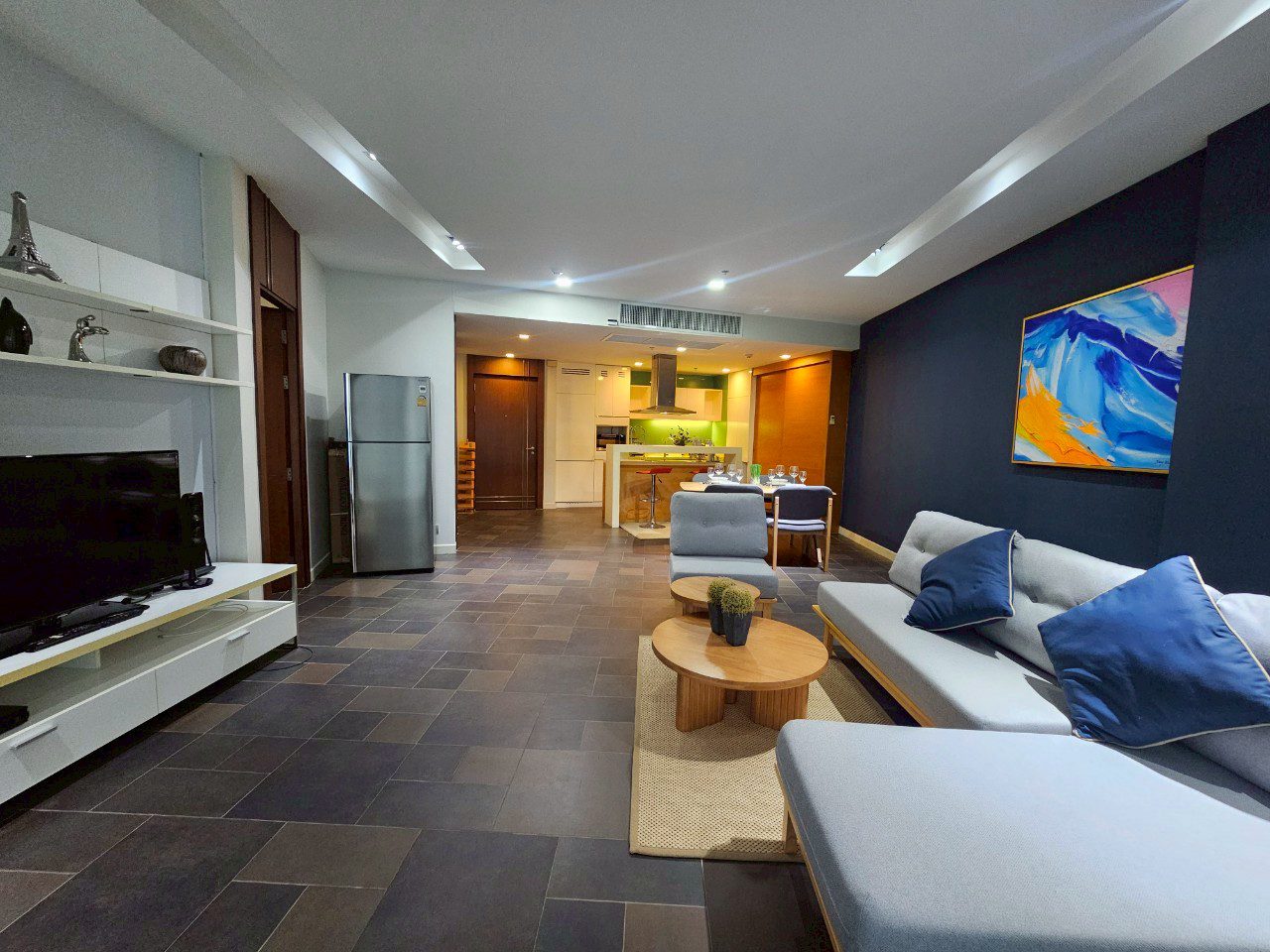

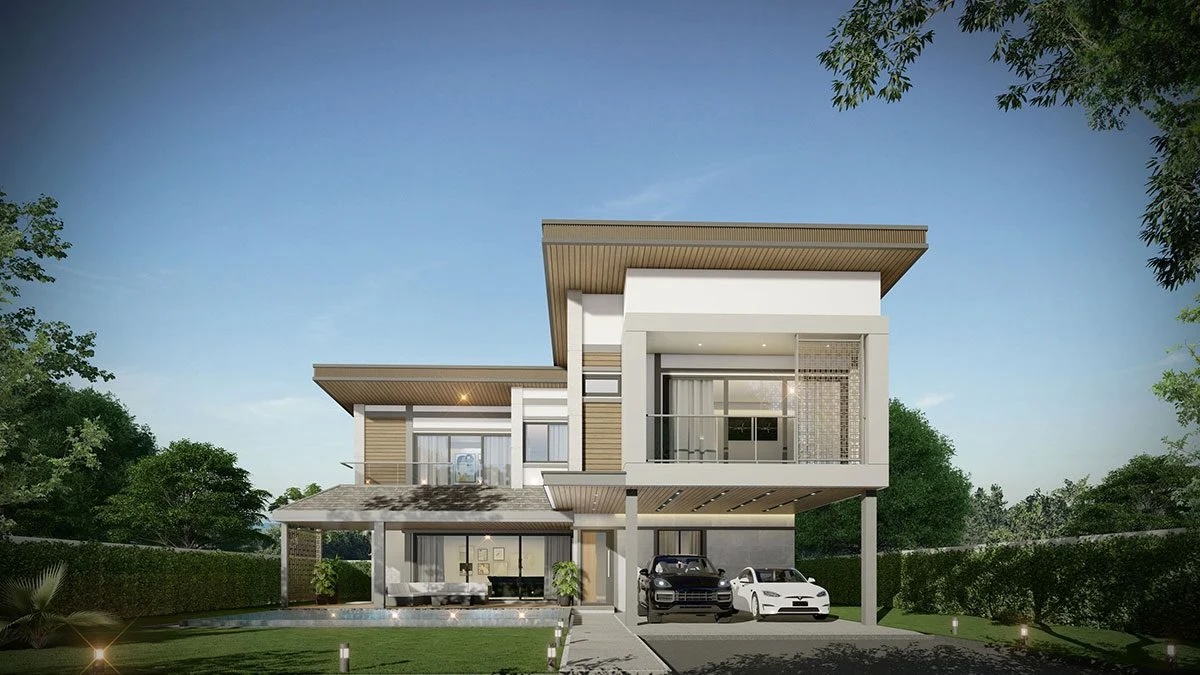
New Developments
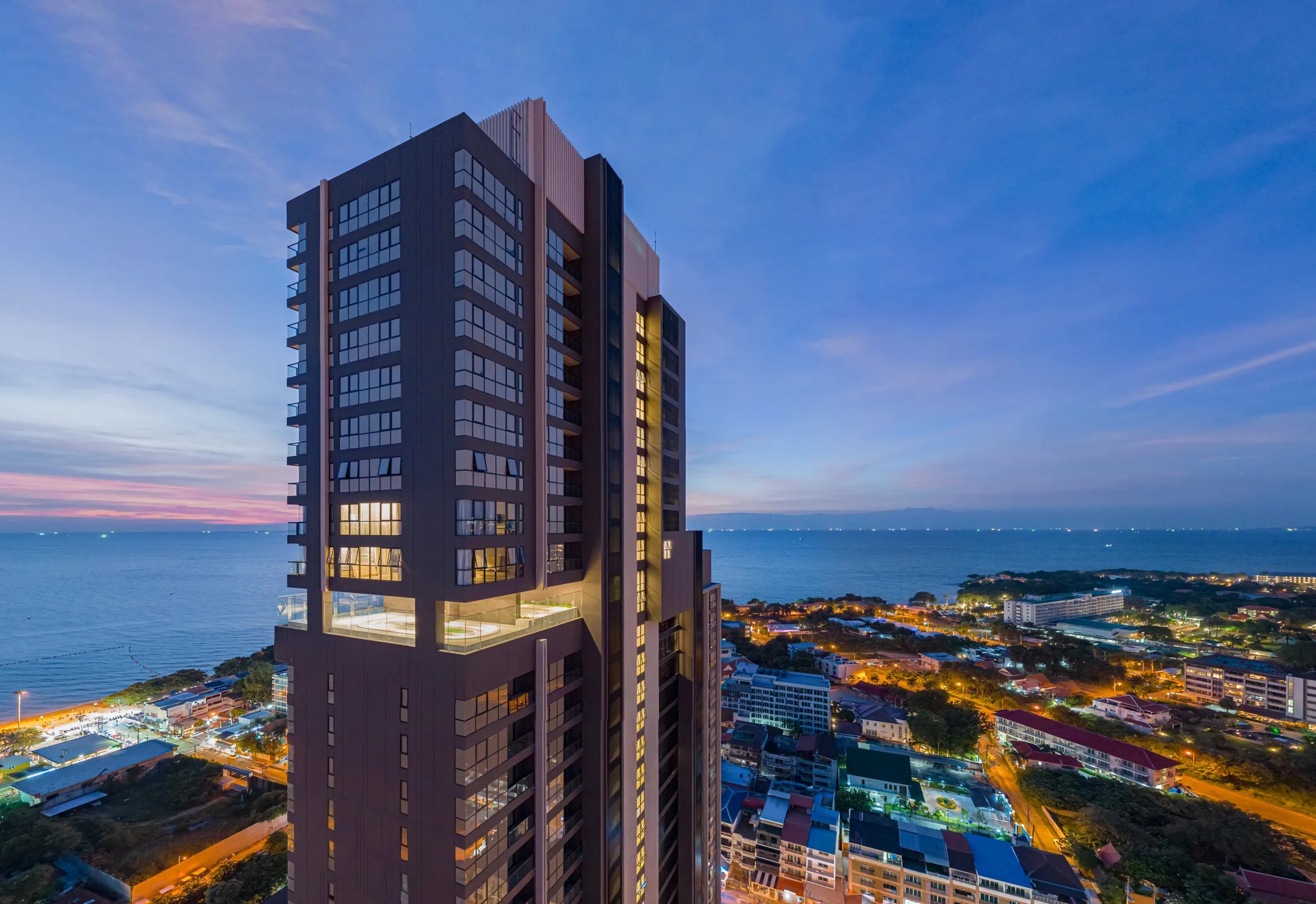
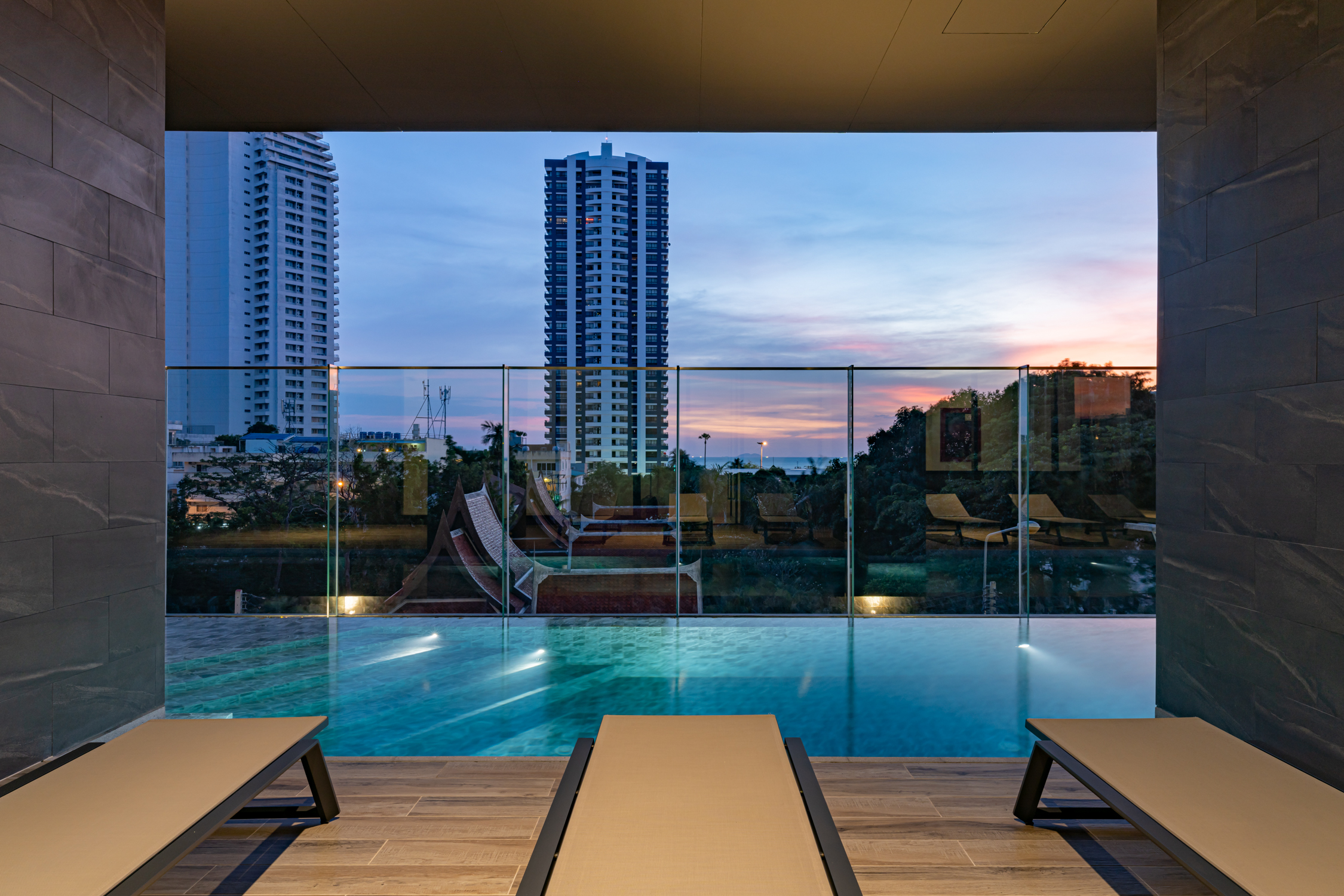
Explore the Latest Developments in Pattaya
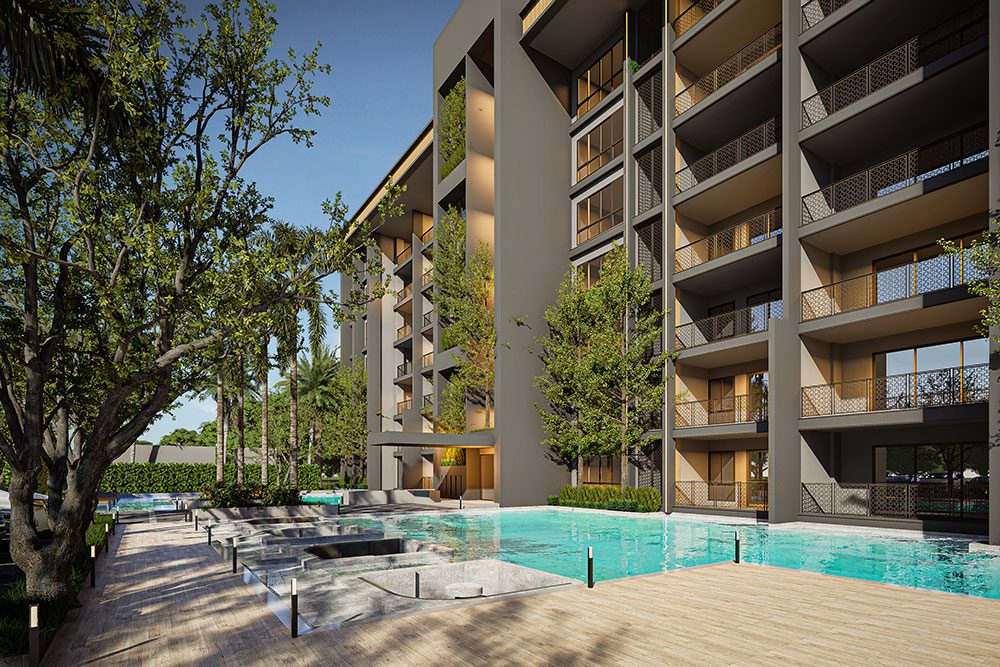
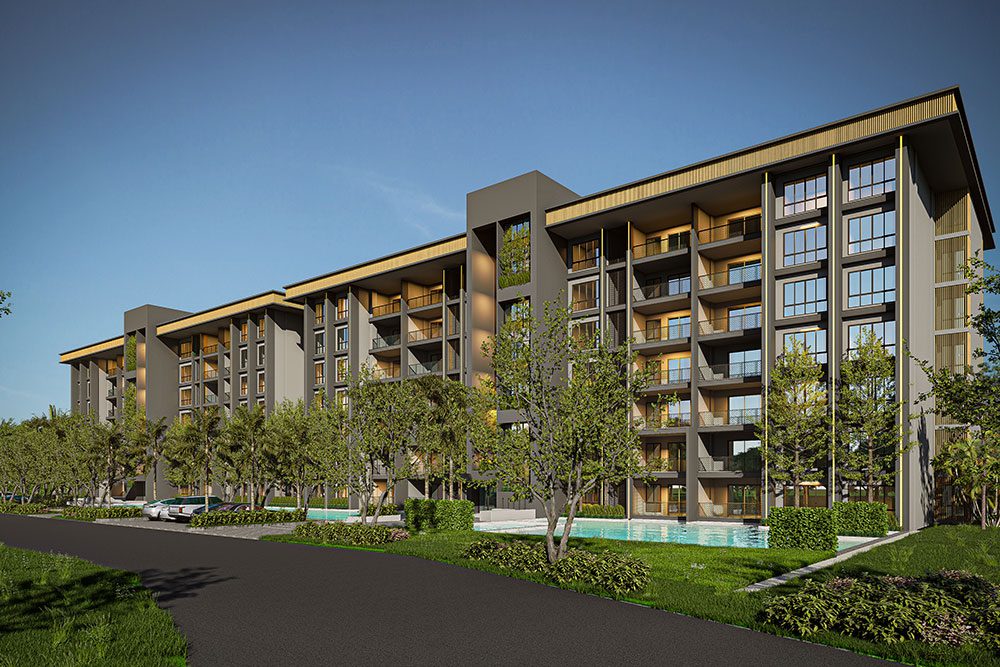
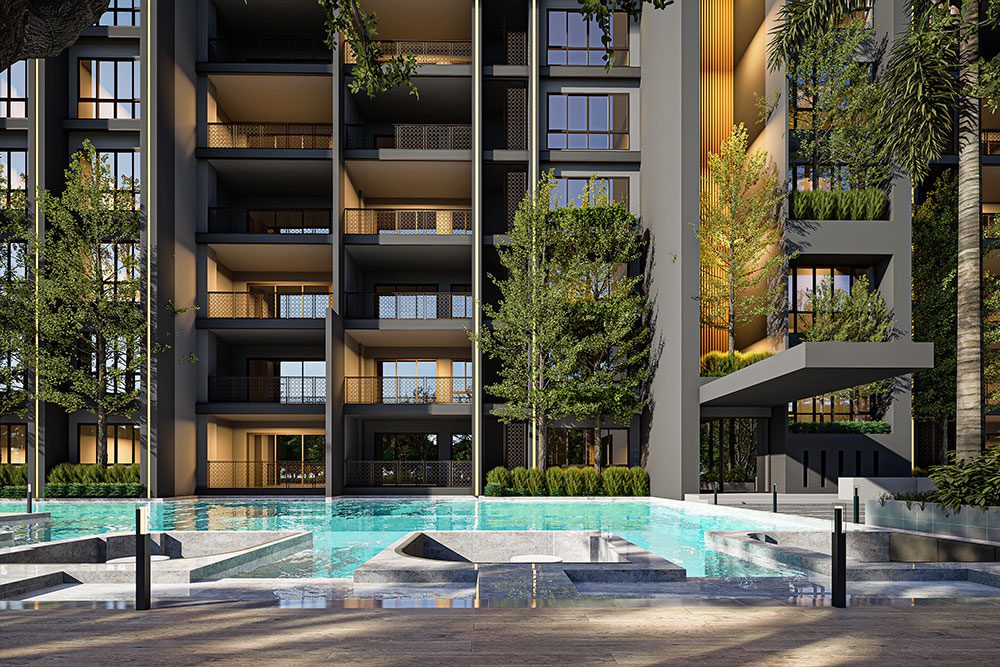
Discover upcoming projects and new construction from top developers.

















Town & Country Properties
Pattaya's Premier Real Estate Agency Since 2003
For over two decades, Town & Country Property has proudly earned its reputation as one of Pattaya's most trusted and long-standing real estate agencies. Located on Thailand's vibrant Eastern Seaboard, we bring a wealth of experience and deep local knowledge to every property transaction. Visit our About Us page to learn more about what makes Town & Country Property your go-to lifestyle realtor in Pattaya.
Why Choose Town & Country
With two decades of local expertise, award-winning service, and a reputation built on trust, we make buying, renting, or investing in Pattaya effortless and rewarding.
Buy, Rent, Invest, or Explore – Stress-Free Real Estate in Pattaya
Seamless, stress-free property buying in Pattaya – from luxury villas to smart investments, we make every step personal and effortless.
Our Vision: Trust, Transparency, and Long-Term Relationships
Two decades of trusted performance – delivering integrity-driven results and long-term value for property investors.
Award-Winning Excellence & Unmatched Service in Pattaya Real Estate
Prestigious awards and 5* reviews, the most trusted Real Estate Agent on the Eastern Seaboard.
Local Expertise & Real Results with Town & Country Property
Explore high-yield properties in Pattaya and Jomtien – guided by seasoned experts you can trust.
Explore Pattaya
Discover the most sought-after locations in Pattaya and surrounding areas
View All Areas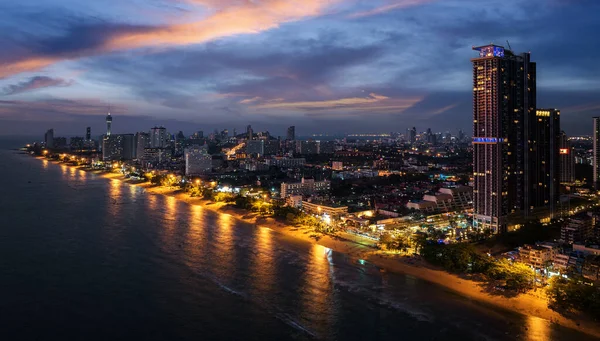


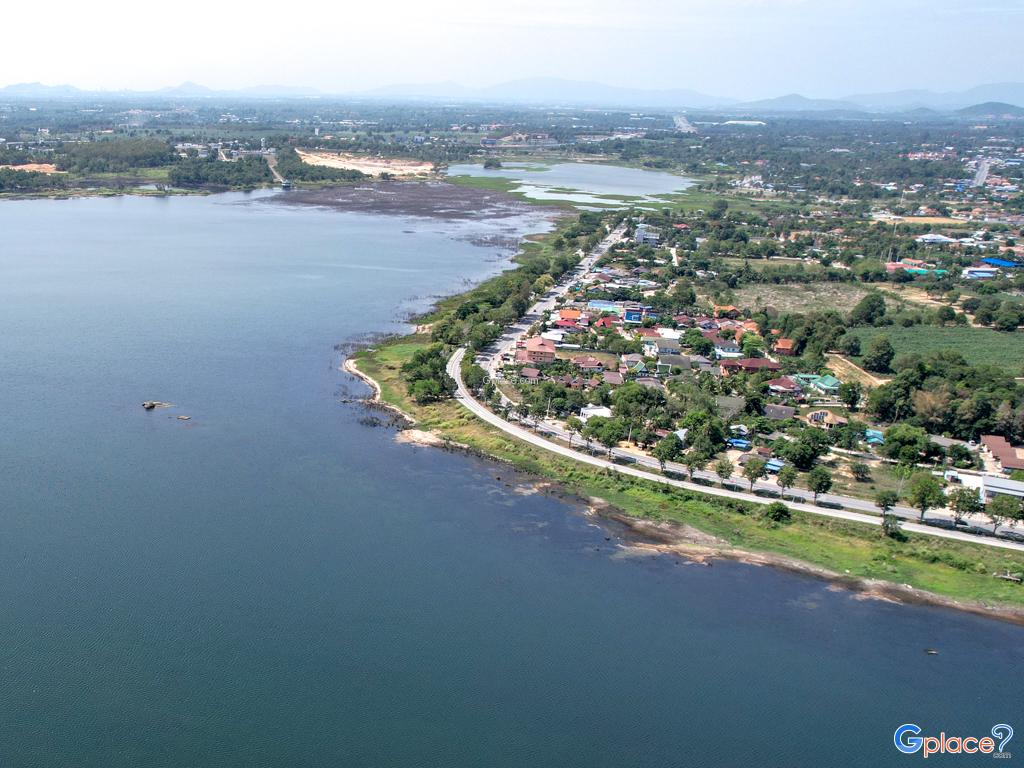
Pattaya Property News by Town & Country Property
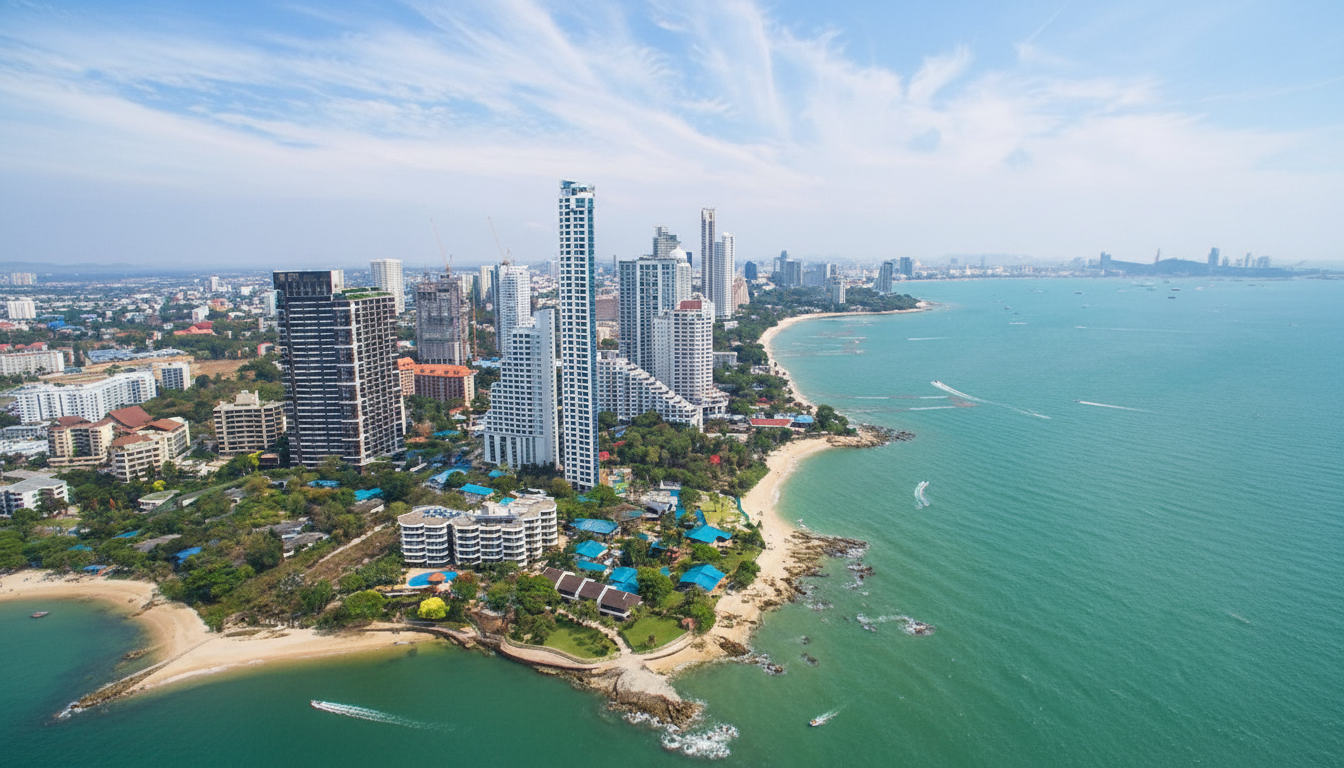
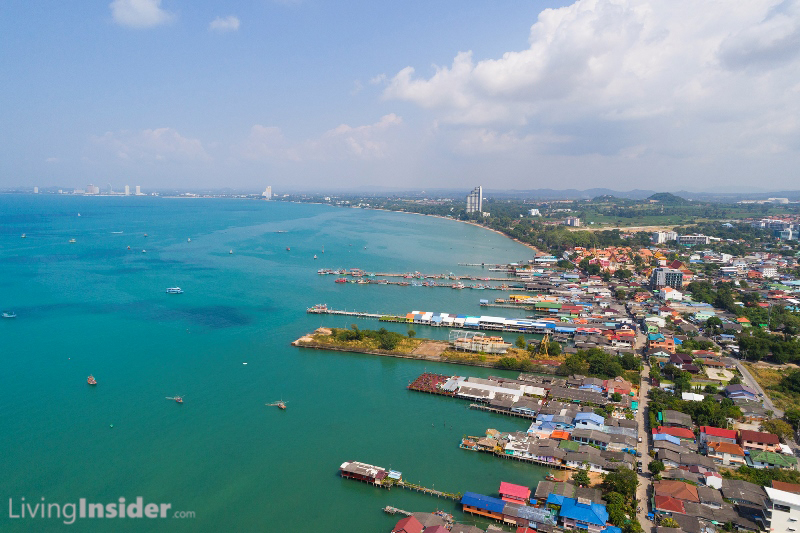
Your Trusted Source for Real Estate Trends, Market Insights, and Lifestyle Updates in Pattaya
Stay ahead with expert analysis, neighborhood spotlights, and the latest property developments, curated by Pattaya's most experienced real estate team.
What Our Clients Say
At Town & Country, we are committed to delivering exceptional real estate services with unwavering dedication to excellence. Our team combines decades of local expertise with cutting-edge technology to provide personalized solutions that exceed expectations. We believe in building lasting relationships through integrity, transparency, and a relentless pursuit of perfection in every transaction.
T B
Bruce Thompson
Elegance Koh Chang
Jacinta Gaskell
ferdinand weisbier
Ian Wilkinson
M M
j Mart
бандит патрик
josh Roodenburg
Thanasis Tsepisis
Ineke van 't Hullenaar
Gary Manchanda
rkindia kumar
Ruud Kramer
Nana Nooprai
Juerg Wyss
B Baldwin
Frequently Asked Questions
How long does the property registration process typically take?
The property registration process in Thailand typically takes about 1 to 2 months from the date of agreement.
For foreigners, the process involves several key steps:
- Preparation of documents: Including passport, visa, and proof of funds.
- Payment of transfer fees: Usually 2% of the registered sale price.
- Signing the transfer deed: At the Land Office.
- Registration of ownership: Finalizes the transfer and takes a few days to process.
Additional factors that can affect timing include:
- Availability of the Land Office appointment.
- Completeness and accuracy of submitted documents.
- Any required approvals or permits.
To ensure a smooth process, it’s advisable to work with a local legal or property professional familiar with Thai property law.
What legal protections do I have as a foreign property buyer?
What legal protections do I have as a foreign property buyer in Thailand?
As a foreigner purchasing property in Thailand, your legal protections include:
-
Foreign Ownership Restrictions: You cannot own land directly but can own condominiums up to 49% of the building’s total floor area. Land ownership is possible through long-term leases (up to 30 years, renewable) or through a Thai company structure.
-
Title Deeds: Properties are registered with the Land Department. Ensure the property has a clear Chanote (freehold title) or Nor Sor Sam (leasehold). Verify the title before purchase.
-
Due Diligence: Thai law requires thorough checks on ownership, encumbrances, and legal status. It’s essential to engage a qualified lawyer to review all documents.
-
Contract Protections: Sale agreements should be in writing, clearly stating payment terms, completion dates, and conditions. A reputable lawyer can draft or review contracts to protect your interests.
-
Repatriation of Funds: Foreign buyers must transfer funds through a Thai bank, and the transfer must be documented to comply with Thai regulations.
-
Dispute Resolution: Thai courts or arbitration can resolve disputes. Including arbitration clauses in contracts can provide added protection.
What is required to ensure my legal protections?
- Engage a licensed Thai lawyer experienced in property law.
- Verify the property’s title and ownership history.
- Use a reputable developer or seller.
- Ensure all transactions are properly documented and registered.
- Comply with Thai foreign ownership laws and transfer procedures.
Always consult legal professionals before completing a property purchase in Thailand to ensure full compliance and protection.
Can I finance a property purchase in Thailand through a mortgage?
Yes, foreigners can finance a property purchase in Thailand through a mortgage, but there are specific requirements and limitations.
Most Thai banks offer mortgage loans primarily to Thai citizens. Foreigners may have limited options, often requiring a substantial down payment—typically 30-50% of the property's value. Some banks or financial institutions may offer mortgage products to foreigners, but these are less common and may have stricter criteria.
Key points for foreigners considering a Thai mortgage:
- Eligibility: Usually limited to permanent residents or foreigners with valid work permits.
- Down Payment: Expect to pay at least 30%, often more.
- Loan Term: Usually up to 10 years.
- Interest Rates: Vary depending on the bank and loan conditions.
It is advisable to consult with a local financial advisor or bank representative to understand specific eligibility and options. Alternatively, many foreigners opt to purchase with cash or through other financing methods, such as personal loans or international financing.
Note: Non-resident foreigners generally cannot obtain a mortgage to buy land, but they can finance condominiums under certain conditions.
Are there additional costs or taxes when buying property in Thailand?
Yes, there are additional costs and taxes when buying property in Thailand, especially for foreigners.
Common Additional Costs:
- Transfer Fee: Typically 2% of the appraised or purchase price, paid to the Land Department.
- Stamp Duty: Usually 0.5% of the sale price or appraised value.
- Withholding Tax: Varies depending on the type of property and ownership duration.
- Legal and Notary Fees: Usually 1-2% of the purchase price for legal services and registration.
Tax Considerations for Foreign Buyers:
- Foreigners cannot own land directly but can own condominiums freehold, provided the foreign ownership quota is not exceeded.
- When purchasing a condo, additional costs include the transfer fee, stamp duty, and legal fees.
- For land purchases via leasehold or other arrangements, different taxes and costs may apply.
Important Notes:
- Always verify the exact costs with a qualified legal or real estate professional.
- Taxes and fees can vary depending on the property location and type.
- Be aware of potential additional costs such as agent fees or registration charges.
For accurate and current details, consult a local legal expert or real estate advisor familiar with Thai property law.
What is the process for transferring ownership of property?
What is the process for transferring ownership of property in Thailand?
Transferring property ownership in Thailand involves several key steps, especially for foreigners. Here is a general outline:
-
Pre-Transfer Checks
- Verify the land title and ownership status at the Land Department.
- Ensure the property has no outstanding taxes or debts.
- Confirm any restrictions on foreign ownership, such as the 49% foreign quota in condominium projects.
-
Agreement of Sale
- Both buyer and seller sign a sale and purchase agreement.
- Typically, a deposit (around 10%) is paid at this stage.
-
Due Diligence
- Conduct a title deed check.
- Obtain necessary documents like the ID, passport, and foreigner’s ID (if applicable).
- For foreigners, ensure compliance with Thai laws regarding property ownership.
-
Transfer of Ownership
- Schedule the transfer at the local Land Office.
- Pay the applicable transfer fee (usually 2% of the assessed value).
- Pay stamp duty (0.5%), specific business tax (if applicable), and any other taxes.
-
Registration
- The Land Office registers the change of ownership.
- The new title deed is issued in the buyer’s name.
Additional considerations for foreigners:
- Foreigners can own condominiums outright, provided the foreign ownership does not exceed 49%.
- For land, foreigners typically need to set up a Thai company or lease the land long-term.
- Always use a qualified lawyer or legal advisor familiar with Thai property law to ensure compliance.
Note: The process can vary depending on property type and location. It is advisable to work with local legal professionals to navigate specific requirements.
What types of property are available for foreign buyers?
In Thailand, foreign buyers can purchase certain types of property with some restrictions.
Types of Property Available:
-
Condos: Foreigners can own condominium units freely, provided the foreign ownership does not exceed 49% of the total building units.
-
Houses and Land: Foreigners cannot own land directly. However, they can:
- Lease land on a long-term basis (up to 30 years, renewable).
- Set up a Thai company to own land, subject to legal regulations.
- Purchase a building on leased land.
Important Considerations:
- Ensure the property is legally registered and has clear ownership titles.
- Verify the developer's credibility, especially for new developments.
- Understand lease agreements and renewal options if leasing land.
- Consult legal experts familiar with Thai property laws to navigate ownership options.
If you are considering purchasing property in Pattaya or elsewhere in Thailand, it’s essential to follow legal procedures and seek professional advice to ensure compliance and secure ownership rights.